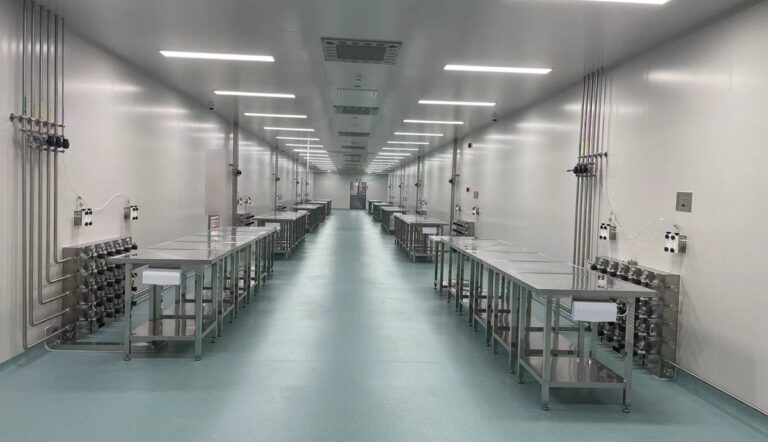

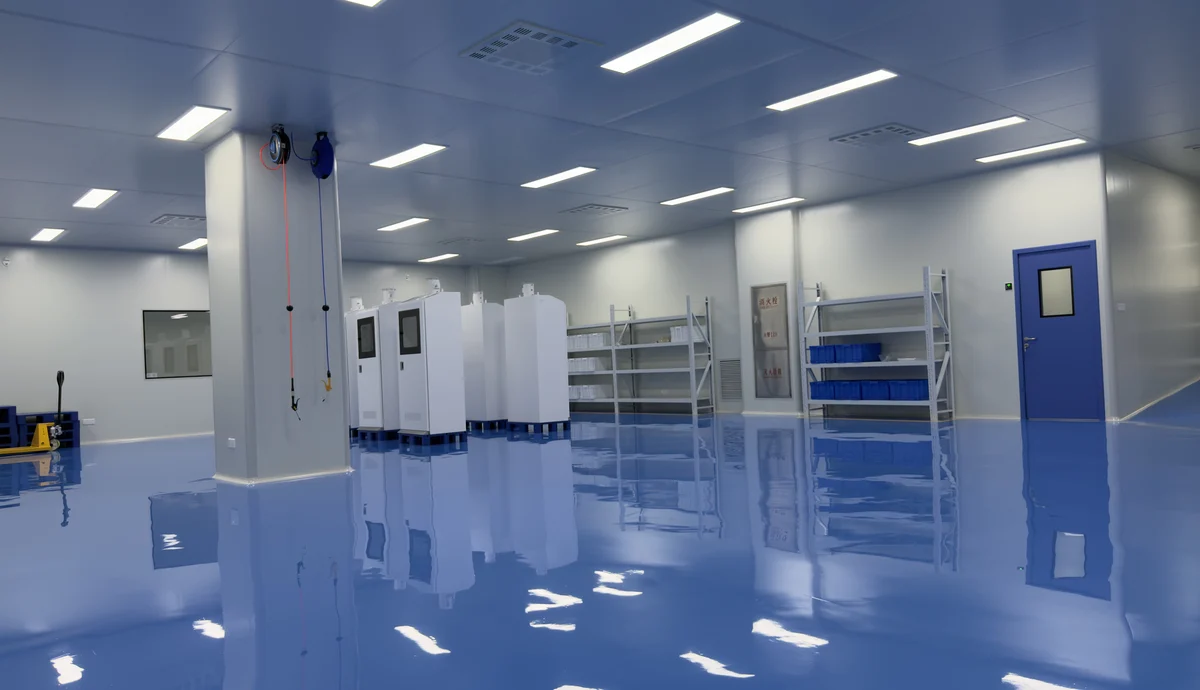
Quick answer: Ten widely known manufacturers and suppliers of laboratory gas systems and equipment in 2026, listed in no particular order:
- LGS Lab Gas System
- Swagelok
- Parker Hannifin
- Linde
- Air Liquide
- MATHESON
- GCE Group
- Harris Products Group
- Gentec
- Peak Scientific
They fall into four types:
- Turnkey system suppliers: design, build and install complete systems.
- Component manufacturers: make fittings, valves and regulators.
- Industrial gas companies: supply gases together with gas control equipment.
- Gas generator makers: produce gas on site.
The right choice depends on whether a laboratory needs a complete system, a component package, a gas supply contract or on-site generation.
What this guide adds: most published lists only name companies. This guide adds:
- how the list was compiled
- the four supplier types and when each fits
- a comparison table of scope
- evaluation criteria with weightings
- questions to ask during supplier qualification
- regional service considerations
- an RFQ checklist for laboratory buyers
For background on how complete systems work, see the laboratory gas delivery system guide.
What is a laboratory gas system manufacturer?
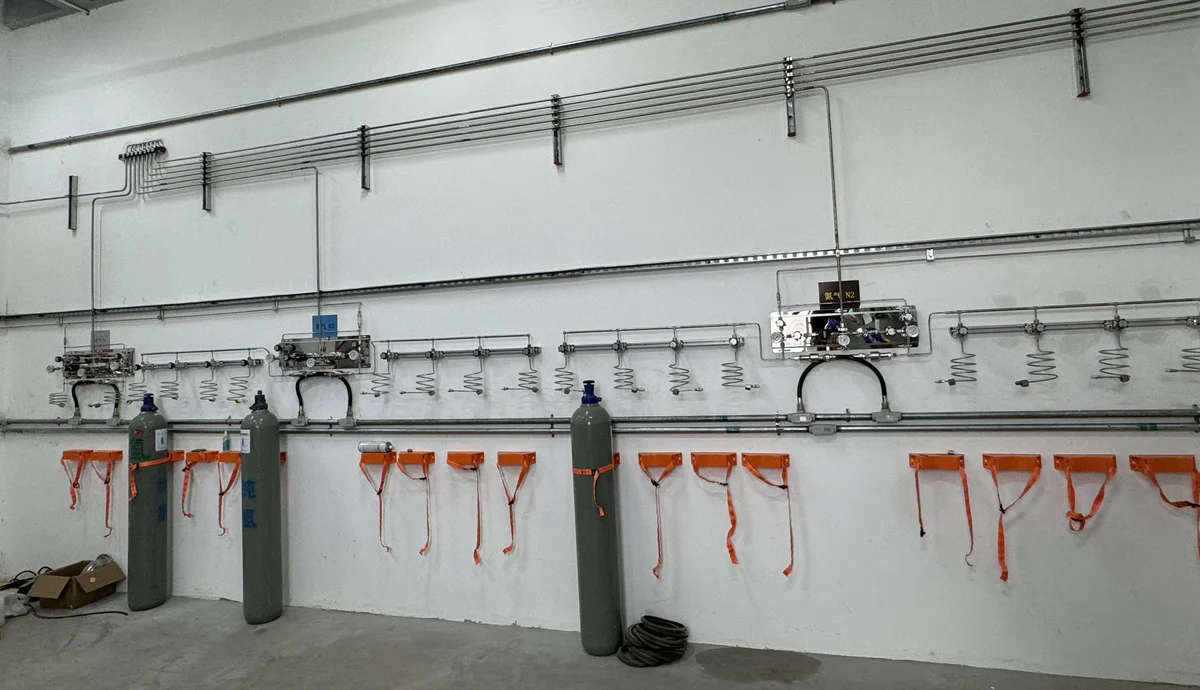
A laboratory gas system manufacturer designs or produces the equipment that delivers gases from a source to the instruments and processes that use them. A complete laboratory gas system includes:
- gas sources, such as cylinders, liquid dewars, bulk tanks or generators
- source equipment, such as changeover manifolds and gas cabinets
- pressure regulators, valves and filters
- stainless steel or copper pipelines
- point-of-use panels and outlets
- gas detection and safety controls
Some manufacturers supply every part of this chain and install it. Others specialize in one category of equipment that system integrators and contractors combine into a complete system.
Understanding this difference matters to buyers. A research building or analytical laboratory usually needs someone to take responsibility for the complete system: the design calculations, the equipment, the installation, the tests and the documentation. A buyer who orders only components must manage the design, the installation and the interfaces between suppliers, or appoint a contractor to do so.
How was this list of top 10 manufacturers compiled?
This list is not a ranking by revenue or market share. Reliable figures for the laboratory gas system segment are not publicly available, and the published market reports do not agree on how to define the segment. Instead, the list includes companies that meet four criteria:
- They are widely recognized in laboratory or specialty gas supply.
- They manufacture or supply equipment used in laboratory gas systems.
- They are active in 2026.
- Together, they represent the main supplier types a laboratory buyer is likely to compare.
The companies are listed in no particular order. The descriptions are factual and general, based on the publicly described business areas of each company, and do not claim certifications, rankings or performance figures. Buyers should confirm current product ranges, certifications and local service directly with each supplier, because portfolios and regional coverage change over time.
What types of laboratory gas system suppliers are there?
Laboratory gas system suppliers fall into four main types. Each serves a different buying need, and most large projects involve more than one type.
| Supplier type | What they provide | Best suited to |
|---|---|---|
| Turnkey system supplier | Design, equipment manufacture, installation, testing and handover | New laboratories, research buildings, cleanrooms, complete upgrades |
| Component manufacturer | Fittings, valves, regulators, tubing, filters and assemblies | Contractors, OEMs and labs with in-house engineering |
| Industrial gas company | Gases plus regulators, manifolds and supply equipment, often with installation services | Labs wanting gas supply and equipment from one source |
| Gas generator manufacturer | On-site nitrogen, hydrogen or zero air generators | Analytical labs with steady demand for generator-suitable gases |
Choosing a supplier type before choosing a company simplifies the search. A university building a new research floor usually needs a turnkey supplier. A contractor building to an existing design needs a component manufacturer. A laboratory replacing cylinders for its chromatographs may need only a generator.
Who are the top 10 laboratory gas system manufacturers in 2026?
The following ten companies are listed in no particular order. Each entry explains what the company is known for and which buyers it typically suits.
1. LGS Lab Gas System
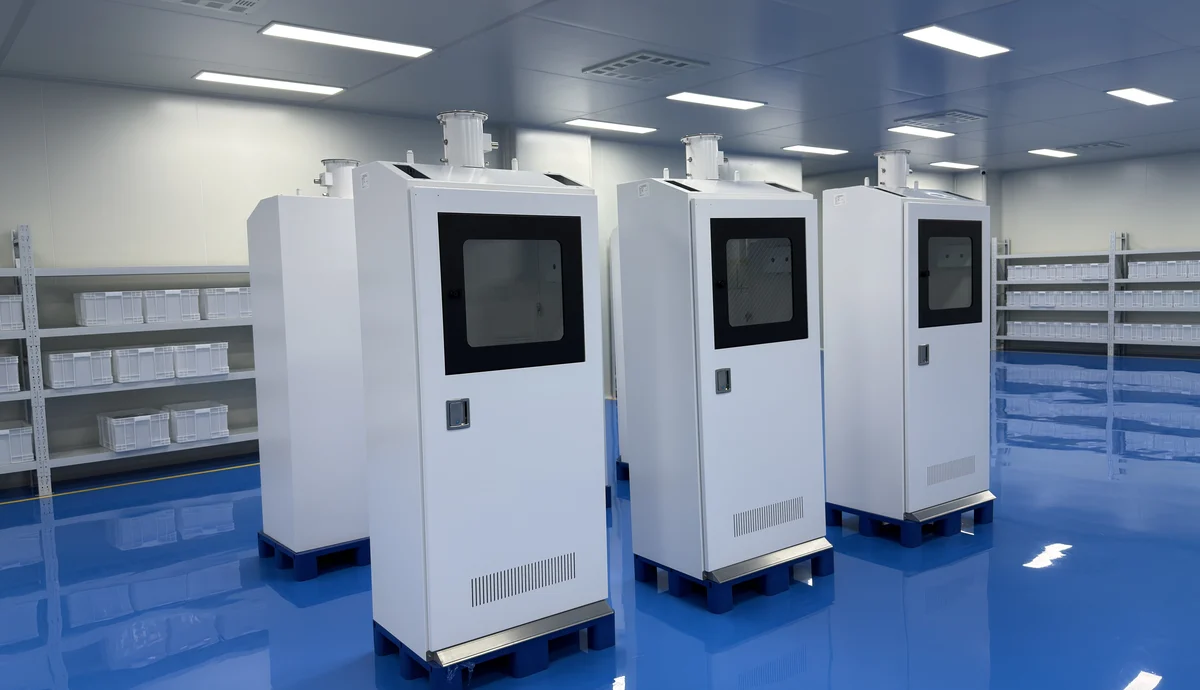
LGS Lab Gas System is a laboratory gas system supplier with factories in Shanghai and Shenzhen, China. It focuses on delivering specialty gases from their source to laboratory instruments and processes. LGS works across the whole project:
- designs complete laboratory gas systems
- manufactures the key equipment, including gas cabinets, changeover manifolds, ultra high purity regulators, diaphragm valves, high purity tubing and compression tube fittings
- installs, tests and commissions the system on site
Projects described by LGS include university chip laboratory gas cabinet rooms, MOCVD laboratory specialty gas systems, a metrology institute specialty gas system, liquid nitrogen piping, and gas systems for pharmaceutical, PCB, photovoltaic and environmental testing facilities.
LGS suits laboratories, research buildings and cleanrooms that want one team responsible for design, equipment and installation, with test records for each assembly.
2. Swagelok
Swagelok is a United States manufacturer of fluid system components, headquartered in Ohio. It is widely known for tube fittings, valves, regulators, hoses and tubing, and it also supplies fluid system assemblies through a network of authorized sales and service centers. Swagelok components are commonly specified by engineers and contractors building laboratory and process gas lines. It suits buyers who need a recognized component standard, especially contractors and OEMs.
3. Parker Hannifin
Parker Hannifin is a United States motion and control technology company headquartered in Ohio. In laboratory gas applications, it is known for instrumentation fittings, valves and regulators, and for laboratory gas generators that produce nitrogen, hydrogen and zero air for analytical instruments. Its broad portfolio suits buyers who want components and gas generation from one large supplier.
4. Linde
Linde is a global industrial gases and engineering company. It supplies specialty and laboratory gases and offers gas control equipment such as regulators and manifolds, together with installation and gas management services in many regions. Linde suits laboratories that want gas supply, cylinder logistics and supply equipment coordinated by one gas company.
5. Air Liquide
Air Liquide is a global industrial gases company headquartered in France. It supplies specialty gases for laboratories, research and electronics, along with gas distribution equipment and related services. Air Liquide suits organizations that prefer to source gases and supply equipment from a major gas producer with international coverage.
6. MATHESON
MATHESON is a United States specialty and industrial gas company and part of Nippon Sanso Holdings. It is known for specialty gases and gas handling equipment, including regulators, manifolds, purifiers and gas cabinets for laboratory and semiconductor applications. MATHESON suits buyers who need specialty gases together with high purity handling equipment, particularly in North America.
7. GCE Group
GCE Group is a European manufacturer of gas control equipment. Its range includes regulators, manifolds, outlet points and other equipment for industrial, medical, laboratory and specialty gases. GCE suits buyers looking for a dedicated gas control equipment manufacturer with a broad range for laboratory gas distribution, particularly in Europe.
8. Harris Products Group
Harris Products Group is a United States manufacturer of gas control equipment and part of Lincoln Electric. It produces regulators, manifolds and gas distribution products, including equipment for specialty and high purity gases. Harris suits buyers who need regulators and manifolds from an established gas equipment manufacturer.
9. Gentec
Gentec is a gas equipment manufacturer based in Taiwan. It produces pressure regulators, manifolds, valves and related equipment for industrial, specialty and high purity gases. Gentec suits distributors, contractors and laboratories looking for a broad range of regulators and manifolds.
10. Peak Scientific
Peak Scientific is a United Kingdom manufacturer of laboratory gas generators, headquartered in Scotland. It produces nitrogen, hydrogen and zero air generators designed for analytical instruments such as gas chromatographs and mass spectrometers. Peak Scientific suits analytical laboratories that want to replace cylinders with on-site generation for these gases.
How do the top 10 suppliers compare by scope?
The table below compares the ten companies by the parts of a laboratory gas system they are generally known to supply. It reflects publicly described business areas and should be confirmed with each supplier for a specific project and region.
| Company | Supplier type | System design and installation | Source equipment and cabinets | Regulators and valves | Fittings and tubing | Gases or generators |
|---|---|---|---|---|---|---|
| LGS Lab Gas System | Turnkey system supplier | Yes | Yes | Yes | Yes | No |
| Swagelok | Component manufacturer | Assemblies and services | Limited | Yes | Yes | No |
| Parker Hannifin | Component and generator manufacturer | Limited | Limited | Yes | Yes | Generators |
| Linde | Industrial gas company | Regional services | Yes | Yes | Limited | Gases |
| Air Liquide | Industrial gas company | Regional services | Yes | Yes | Limited | Gases |
| MATHESON | Specialty gas company | Regional services | Yes | Yes | Limited | Gases |
| GCE Group | Gas control equipment manufacturer | Through partners | Yes | Yes | Limited | No |
| Harris Products Group | Gas control equipment manufacturer | Through partners | Yes | Yes | Limited | No |
| Gentec | Gas control equipment manufacturer | Through partners | Yes | Yes | Limited | No |
| Peak Scientific | Gas generator manufacturer | Generator installation | No | No | No | Generators |
Which supplier type fits common laboratory projects?
Different laboratory projects call for different supplier types. Matching the project to the supplier type first narrows the shortlist to companies that can deliver the full scope without gaps. The table below shows typical matches for common laboratory projects.
| Project | Typical gases | Best-fit supplier type | Reason |
|---|---|---|---|
| New university research building | Many inert, flammable and specialty gases | Turnkey system supplier | Needs design, central gas room, pipelines, panels and safety controls under one responsibility |
| Analytical testing laboratory | Helium, nitrogen, hydrogen, argon, zero air | Turnkey supplier, with generators where suitable | Combines central supply for some gases with on-site generation for others |
| Semiconductor or MOCVD research lab | Toxic, pyrophoric and UHP gases | Turnkey supplier with UHP and hazardous gas capability | Requires gas cabinets, orbital welding, detection and qualification testing |
| Pharmaceutical QC laboratory | Nitrogen, CO2, helium, synthetic air | Turnkey supplier | Needs documented installation and records for audits |
| Small upgrade or added instrument | One or two gases | Component manufacturer or existing system supplier | Limited scope can be handled by maintenance staff or a contractor |
| Cylinder replacement for chromatographs | Nitrogen, hydrogen, zero air | Gas generator manufacturer | On-site generation suits steady analytical demand |
Many projects combine types. A research building may use a turnkey supplier for the central system, an industrial gas company for bulk liquid nitrogen, and generators for individual analytical instruments. Clear scope boundaries between these suppliers avoid gaps in responsibility for connections, safety interlocks and testing. Applications are compared in laboratory gas systems by application.
Which criteria matter most when choosing a laboratory gas system manufacturer?
The best supplier is the one that fits the scope, purity, safety and service needs of a specific project, not the largest name. The criteria below are typical for laboratory projects, with suggested weightings that buyers can adjust.
| Criterion | What to check | Suggested weight |
|---|---|---|
| Scope fit | Can the supplier cover design, equipment and installation, or only part of it | 20 percent |
| Technical capability | Gas matrix review, sizing calculations, purity design, hazardous gas experience | 20 percent |
| Equipment quality | Materials, clean assembly, pressure and leak testing, test records | 20 percent |
| Safety design | Gas cabinets, detection, emergency shutoff, purge and exhaust integration | 15 percent |
| Documentation | Material certificates, weld records, test records, as-built drawings | 10 percent |
| Service and support | Local installation, commissioning, training, spare parts and response time | 10 percent |
| Cost and lead time | Total project cost, delivery schedule and payment terms | 5 percent or more depending on project |
A structured scoring sheet makes bids comparable and reduces the risk of choosing on price alone. Laboratory buyers often discover that the lowest equipment price leads to higher installation, rework or downtime costs when interfaces between suppliers are not managed.
Should a laboratory choose a turnkey supplier or buy components separately?
A turnkey supplier is usually the better choice for new laboratories and major upgrades. Buying components separately can make sense in other situations. The two approaches compare as follows:
- Responsibility: A turnkey supplier takes single-point responsibility for the gas system, so design errors, equipment mismatches and installation problems are resolved by one team. Separate component buying leaves interface risk with the buyer or contractor.
- Coordination: Turnkey supply simplifies coordination with architects, mechanical contractors and safety officers.
- Documentation: A turnkey supplier delivers one consistent documentation package for audits and qualification.
- When components make sense: Buying components separately suits laboratories with strong in-house engineering, maintenance and small modifications, or contractors building to a completed design. Components may lower equipment cost, but the buyer takes on the work of design, assembly and testing.
The planning steps are described in how to plan a central laboratory gas supply system.
What questions should buyers ask during supplier qualification?
Supplier qualification questions should reveal how a manufacturer works, not only what it sells. Useful questions include:
- Which parts of the gas system do you design, manufacture and install yourselves, and which do you subcontract?
- Can you show similar projects, such as research buildings, analytical labs or cleanrooms, with the same gases?
- How do you size sources, regulators and pipelines, and will you share the calculations?
- Where and how are panels, manifolds and cabinets assembled, and what tests are performed before shipment?
- Which documents will you deliver, such as material certificates, weld records, test records and as-built drawings?
- How do you handle hazardous gases, gas detection and emergency shutoff?
- Who will install, commission and train our staff, and what support is available after handover?
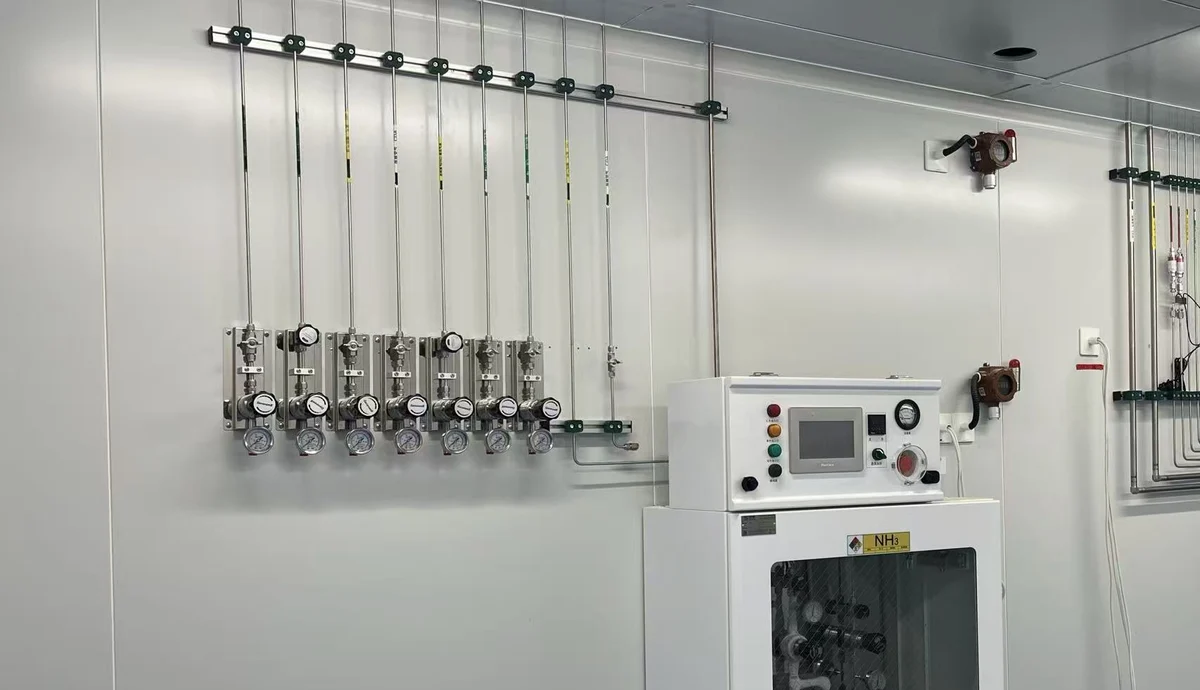
A factory visit or video inspection gives direct evidence of assembly cleanliness, testing and record keeping. These are difficult to judge from brochures. LGS describes its quality stages and test records on its factory and quality page.
How do regional service and local codes affect supplier choice?
Laboratory gas systems are installed on site and must comply with local codes, so regional capability matters as much as equipment quality. A supplier needs installation teams or qualified partners in the project region, familiarity with local pressure equipment, fire and gas safety rules, and the ability to provide spare parts and service quickly. International manufacturers often work through local distributors or contractors. Regional suppliers may offer faster response but narrower product ranges.
Buyers sourcing from overseas manufacturers should confirm:
- packaging and cleanliness protection for shipping
- documentation in the required language
- compliance declarations for the destination market
- how commissioning and training will be delivered
A clear division of responsibilities between the manufacturer and the local installer prevents gaps at handover.
How do purity and hazard levels change which supplier fits?
Purity and hazard level narrow the field of suitable suppliers:
- General inert gases for purging and pneumatic uses: Most suppliers can serve these.
- High purity analytical gases: These need clean components, diaphragm valves, appropriate regulators and documented leak testing.
- Ultra high purity gases for semiconductor research and trace analysis: These need electropolished tubing, orbital welding, face seal connections and qualification testing.
- Toxic, corrosive and pyrophoric gases: These need ventilated gas cabinets, automatic purge, gas detection, emergency shutoff and exhaust integration.
A supplier with strong general laboratory experience may not have the cleanroom welding capability or hazardous gas controls an MOCVD laboratory needs. Buyers should match the supplier to the most demanding gas in the project, not the most common one. Purity tiers are explained in the ultra high purity gas delivery system guide. Hazardous gas handling is explained in the gas cabinet, VMB and BSGS guide.
What should an RFQ for a laboratory gas system include?
A complete request for quotation lets every supplier price the same scope and makes bids comparable. A laboratory gas system RFQ should include:
- a gas matrix listing each gas with purity, pressure, flow, hazard class and the rooms it serves
- floor plans showing gas room, laboratories and preferred pipe routes
- an instrument list with gas connections
- source preferences, such as cylinders, dewars, bulk supply or generators
- safety requirements, including gas detection, emergency shutoff and exhaust
- material and installation specifications
- required documents and tests
- project schedule
- scope boundaries with other contractors
Suppliers should respond with a system concept, an equipment list, a test plan and a price breakdown. This allows buyers to compare technical quality as well as cost. Pipeline specifications and tests are covered in the laboratory gas pipeline system specification. Equipment types are explained in laboratory gas equipment explained.
Frequently asked questions
Is this list a ranking of the largest laboratory gas system companies?
No. The list is in no particular order and is not based on revenue or market share. It represents widely recognized companies across the main supplier types laboratory buyers compare.
What is the difference between a gas equipment manufacturer and a gas system supplier?
A gas equipment manufacturer produces components such as regulators, valves, manifolds or fittings. A gas system supplier designs and installs complete systems, often using its own equipment, and takes responsibility for performance, testing and documentation of the whole system.
Can a laboratory mix equipment from different manufacturers?
Yes, many laboratories do, but mixing suppliers requires careful attention to compatibility of connections, pressure ratings, materials and cleanliness. A system designer or turnkey supplier usually manages these interfaces.
How long does a laboratory gas system project take?
A typical laboratory gas system project takes from a few weeks for a small upgrade to several months for a new research building. The timeline covers design, equipment manufacture, installation, testing and commissioning.
Discuss your laboratory gas system with LGS Lab Gas System
LGS Lab Gas System designs laboratory gas systems, builds the key equipment in its own factories in Shanghai and Shenzhen, and installs complete systems from the gas source to the instrument. Its services cover gas system design, equipment production and installation and commissioning. The equipment range includes:
- gas cabinets
- changeover manifolds
- ultra high purity regulators
- diaphragm valves
- high purity tubing and fittings
Every assembly ships with its own test record. Completed work for universities, research institutes, testing laboratories and industrial cleanrooms is shown on the projects page.
Laboratory managers, research facility teams, distributors and engineering contractors can send their gas list, floor plans, instrument list and schedule. LGS engineers will review the gas matrix and propose a system concept with a detailed quotation. Contact LGS Lab Gas System to discuss your laboratory gas system requirements.