
Specialty gas systems · Laboratories & research
Laboratory Ultra High Purity Gas Delivery System & UHP Components
LGS provides specialty gas equipment for semiconductor, pharmaceutical, analytical and research laboratories. Explore changeover manifolds, gas cabinets, UHP regulators, diaphragm valves, tubing and fittings for a coordinated gas supply.
- Design · Production · Installation
- Source-to-instrument equipment
- Project-specific configurations
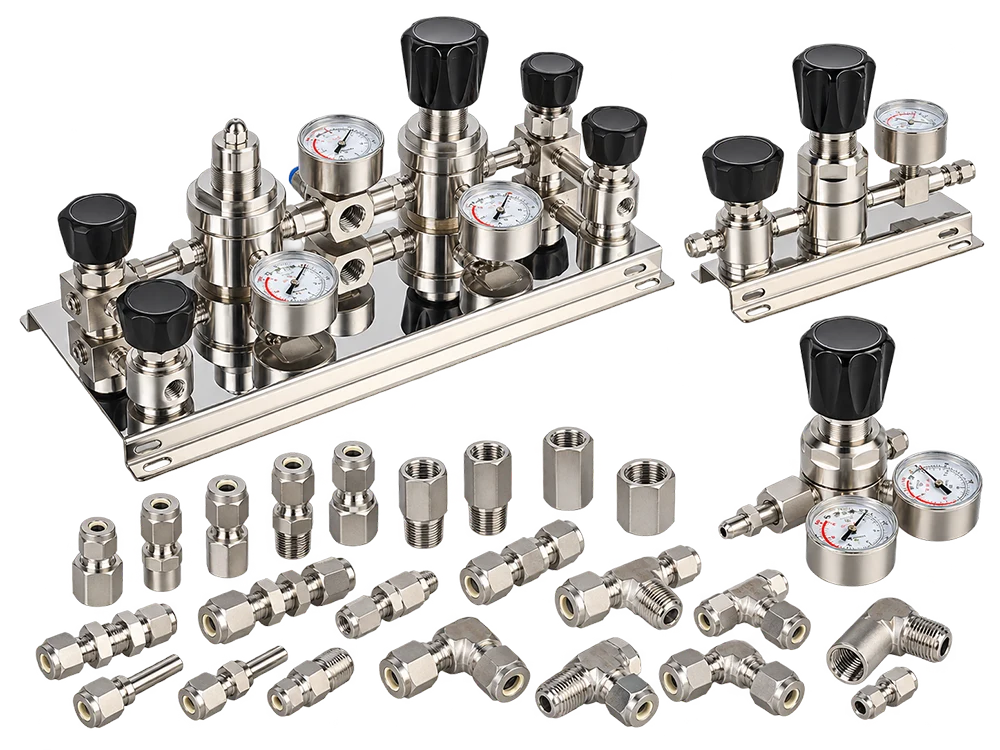
Typical gas path
- 01Gas Source
- 02Changeover Manifold
- 03UHP Regulator
- 04High Purity Tubing
- 05Diaphragm Valve
- 06Instrument
About LGS Lab Gas System
Ultra high purity valves, gas cabinets and complete gas systems
LGS Lab Gas System manufactures ultra high purity (UHP) gas delivery equipment and builds specialty gas systems for semiconductor, display, photovoltaic, pharmaceutical, analytical and research facilities.
Our UHP valve range covers manual, pneumatic (air-actuated) and electronically controlled diaphragm valves in many body styles and functions. The valves are built for excellent leak integrity, long cycle life and very low particle generation, handle a wide variety of gas media and work across a broad range of temperatures and pressures, so they can be specified for demanding process conditions as well as everyday laboratory lines.
We specialise in fully automatic and semi-automatic GC gas cabinets, bulk specialty gas system (BSGS) cabinets, valve manifold box (VMB) cabinets, TMA gas cabinets, scrubber tail gas treatment cabinets, gas distribution cabinets and VDB and VDP gas cabinets, for gases such as SiH4, NF3, NH3, N2O and HCl. Combined with our UHP regulators, changeover manifolds, tube fittings and installation teams, this lets us supply the complete gas path from the cylinder to the point of use.
Leak-tight and clean
316L and VAR wetted parts, electropolished surfaces, clean assembly and helium leak testing for every UHP component.
One supplier, complete range
Gas cabinets, VMBs, manifolds, regulators, diaphragm valves, tubing and fittings designed to work together.
Engineered for your project
Cabinets and panels configured for your gases, flows and safety rules, then installed, tested and documented on site.
Product categories
Find the right gas equipment
Twelve product categories cover every stage of a specialty gas system. For every category we provide series data, specifications and connection options.
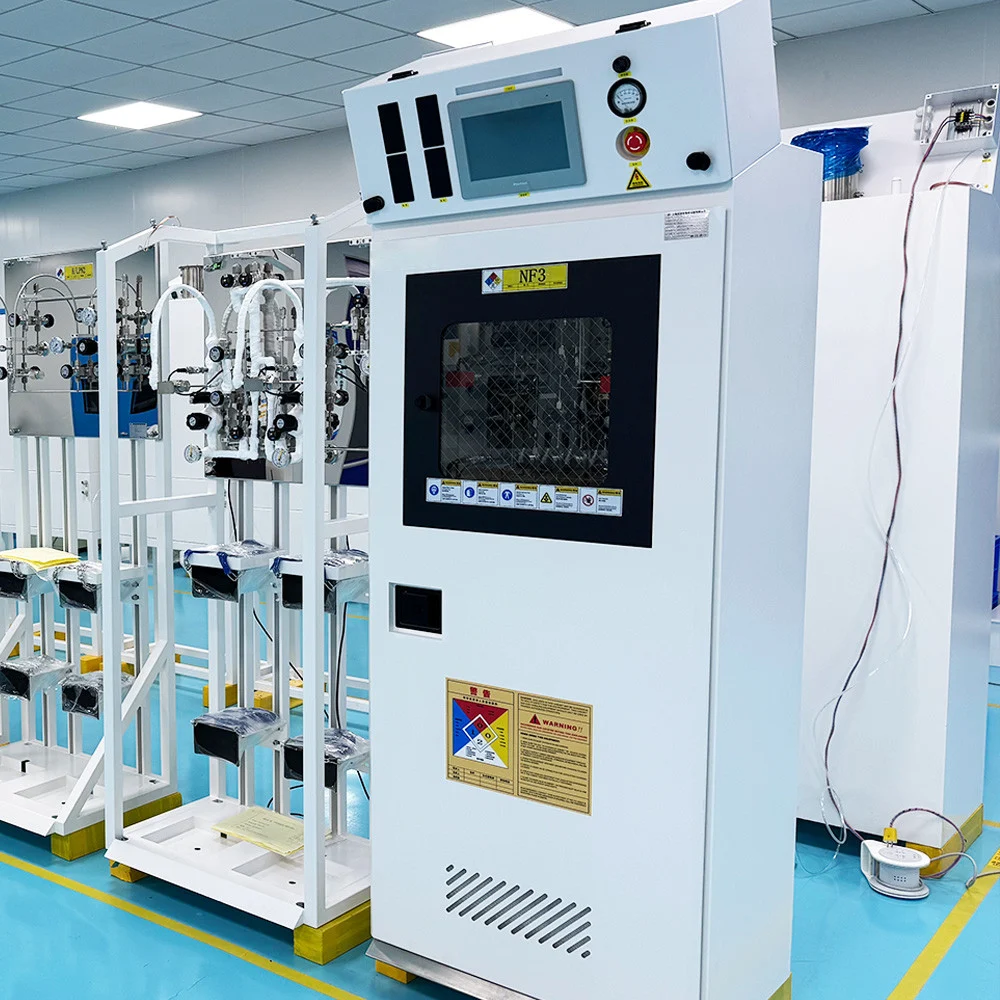
Gas Cabinets
Automatic and semi-automatic cabinets and racks for hazardous and inert gases.
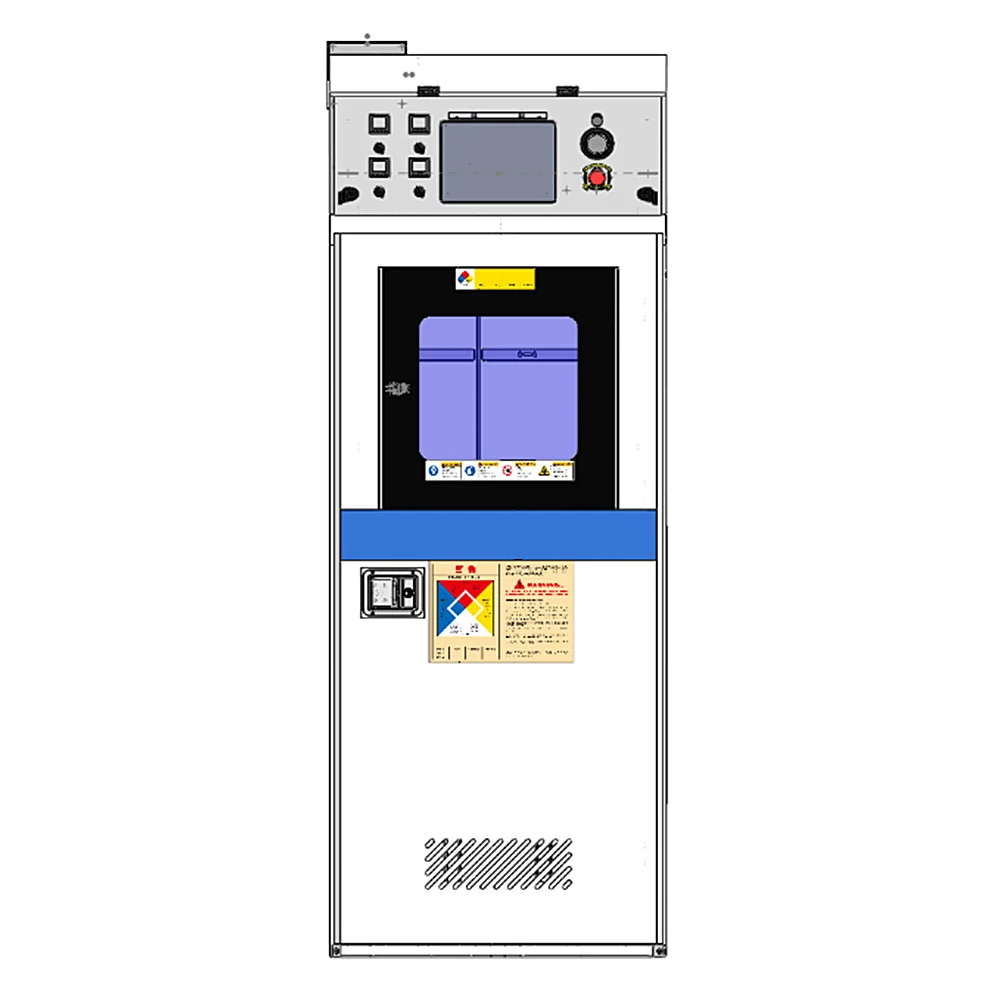
Bulk Specialty Gas Systems
BSGS skids for high-flow supply from bundles and tube trailers.
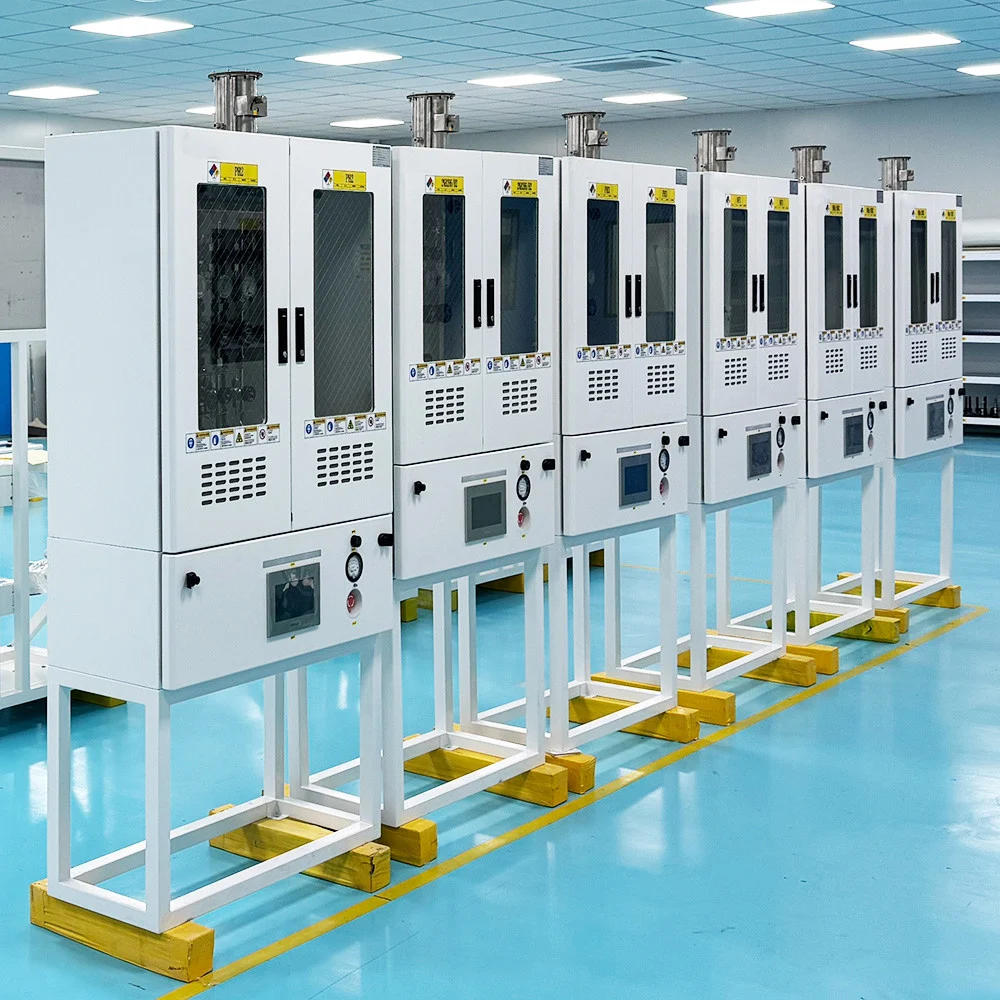
Valve Manifold Boxes
VMBs that split one specialty gas line into 4, 6 or 8 tool sticks.
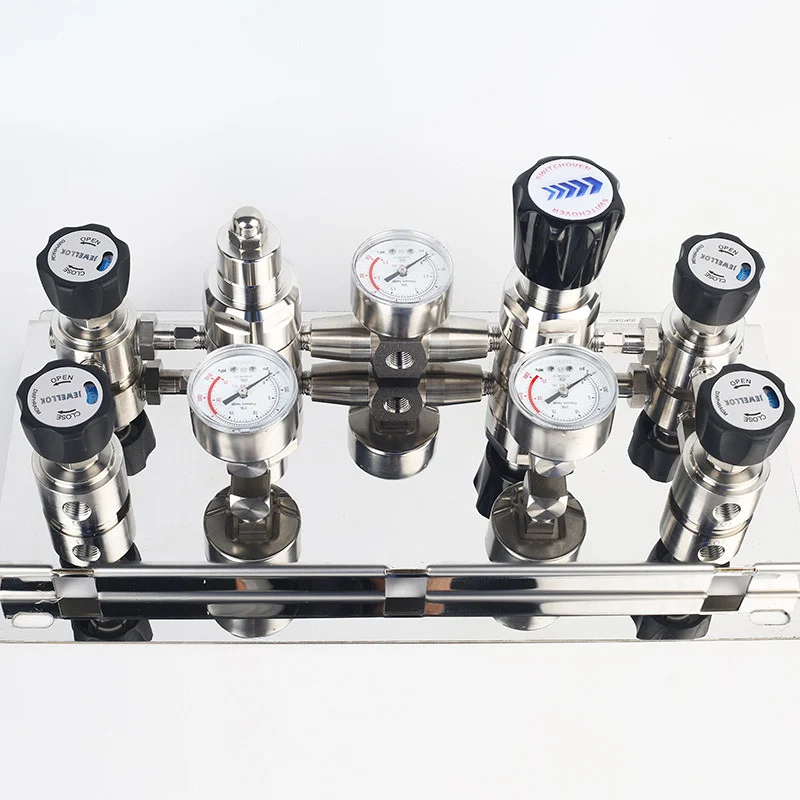
Gas Changeover Manifolds
Manual, semi-automatic and fully automatic cylinder switchover.
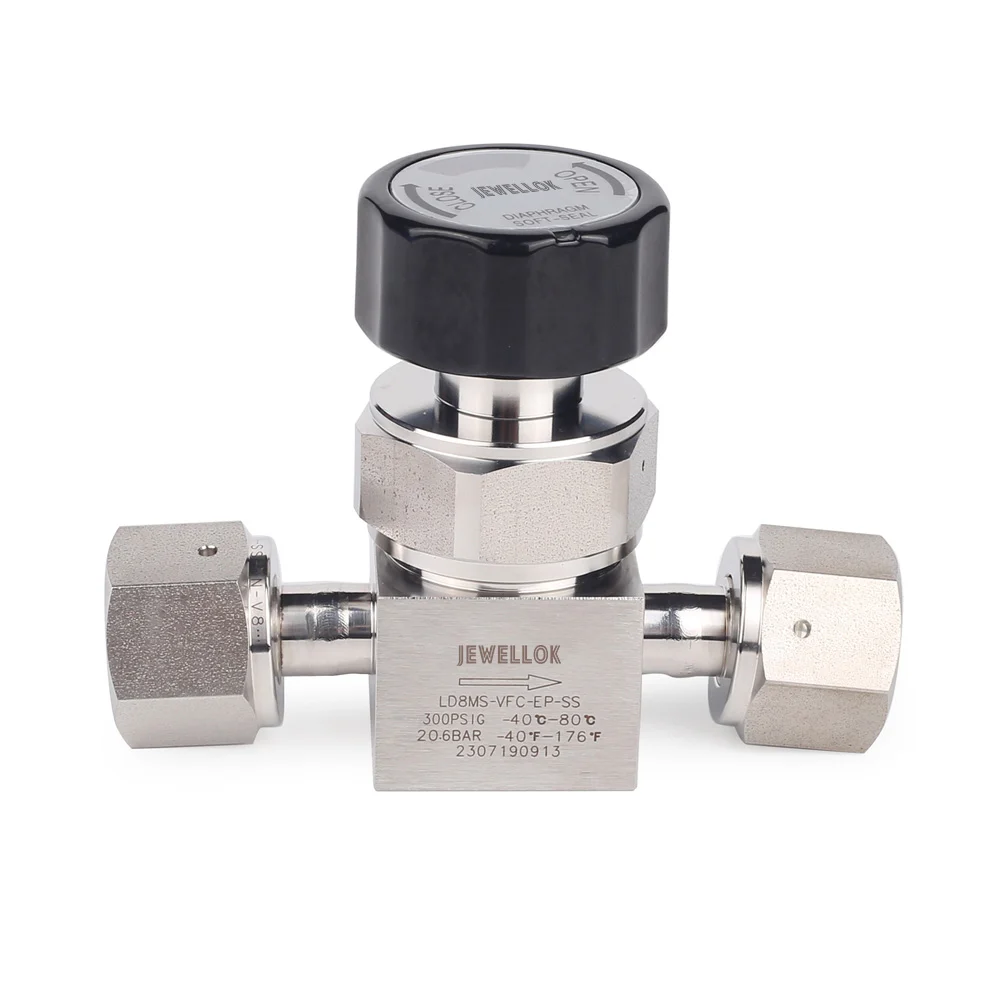
UHP Diaphragm Valves
Manual and pneumatic packless valves for high and low pressure.
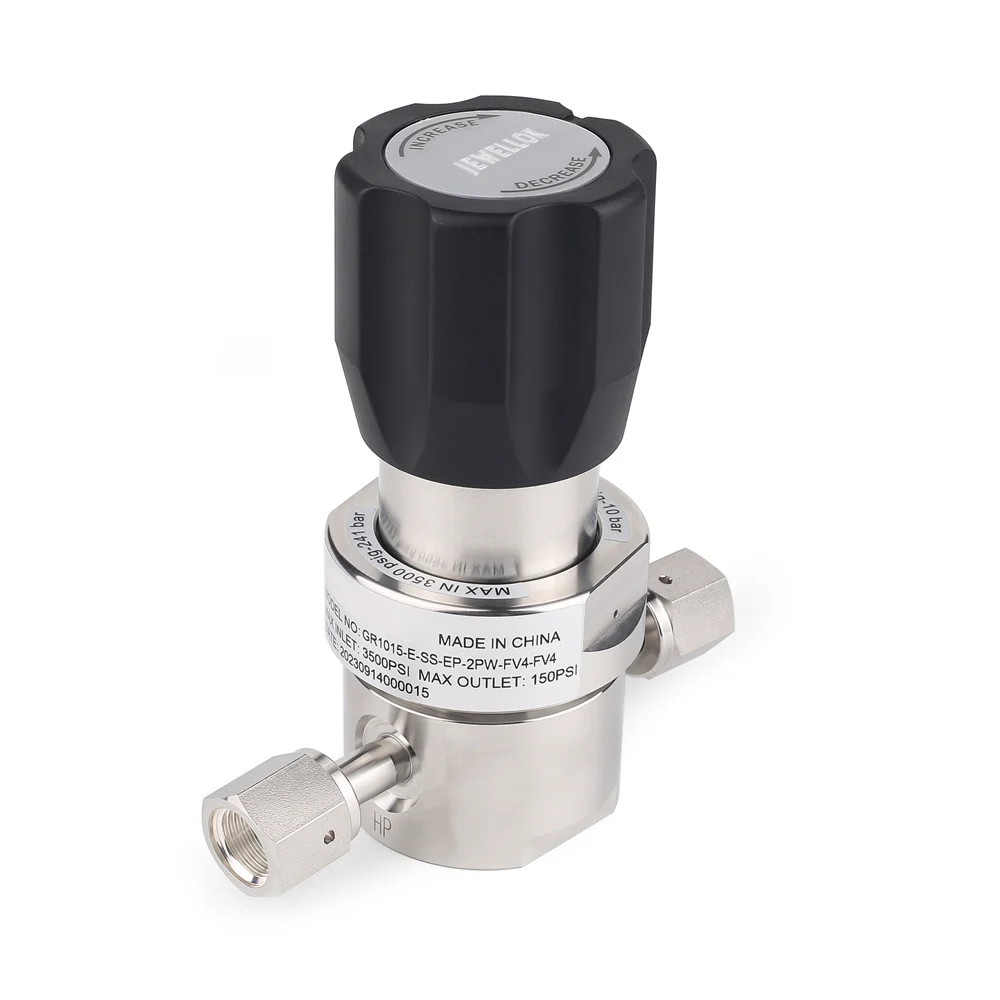
UHP Regulators
Single and dual stage regulators with metal diaphragm seals.
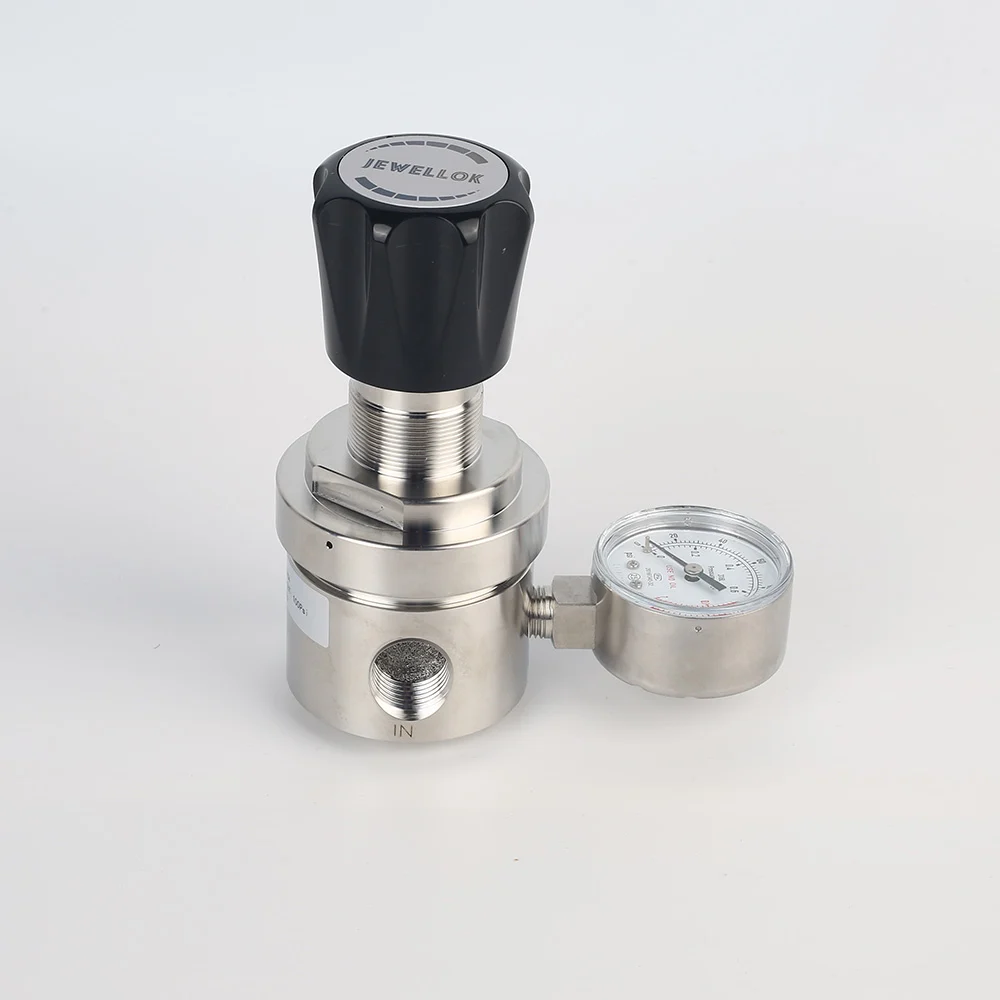
Panel & Line Regulators
Cylinder, line and panel regulators and wall gas sticks.
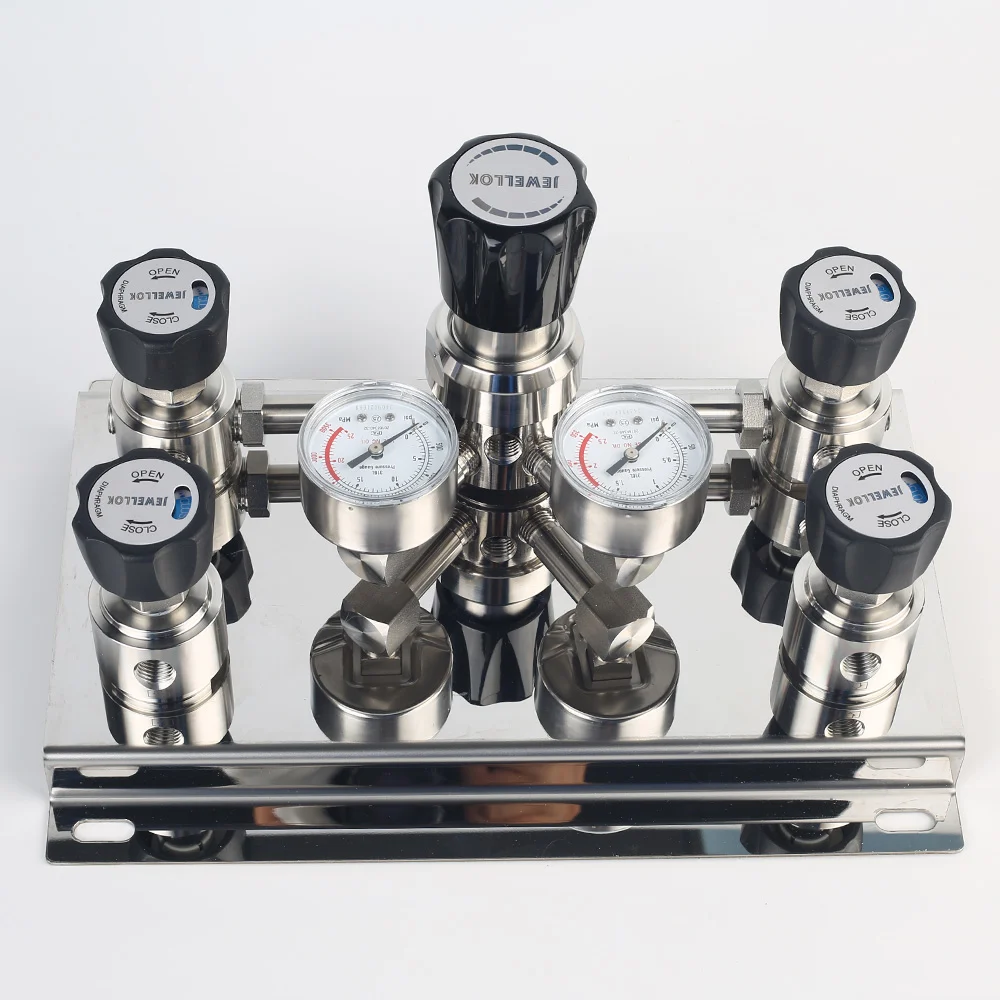
Pressure Control Panels
Regulator, inlet, purge and relief valves on one plate.
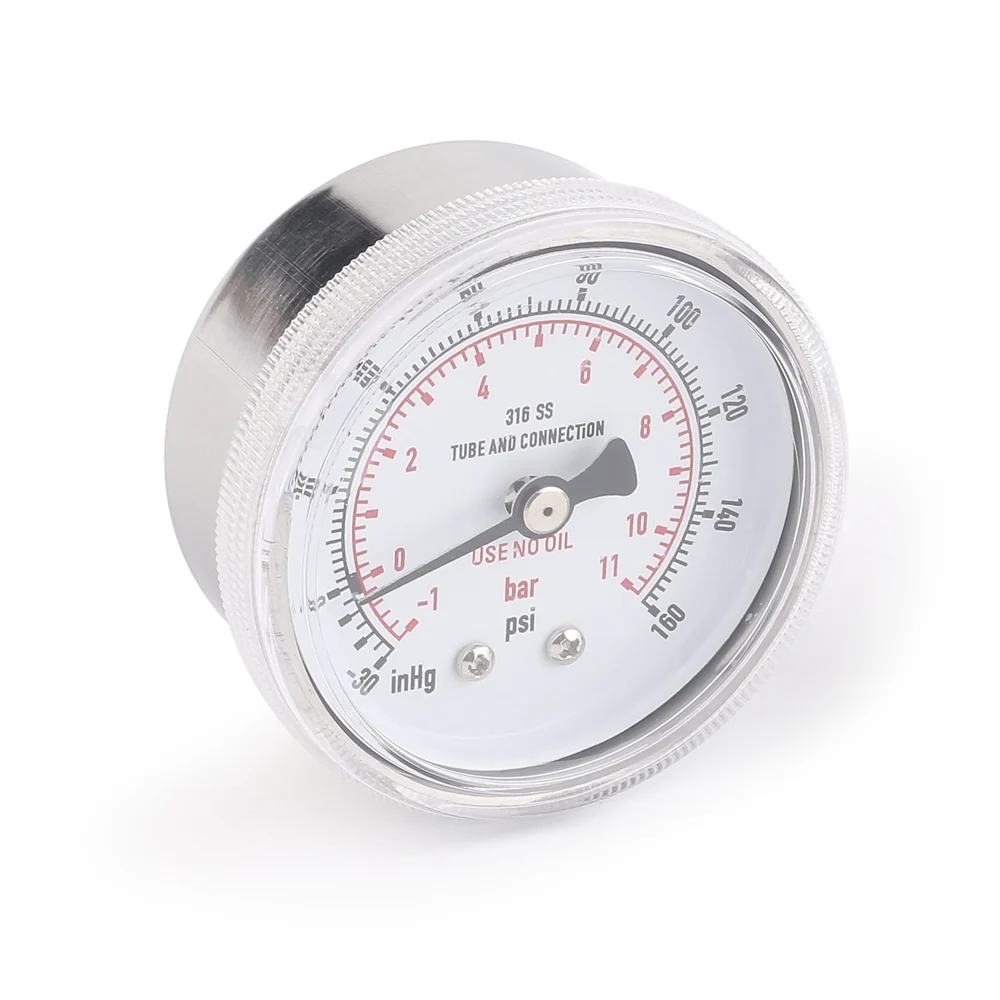
Pressure Gauges
2 in. JR and JG gauges, vacuum to 400 bar.
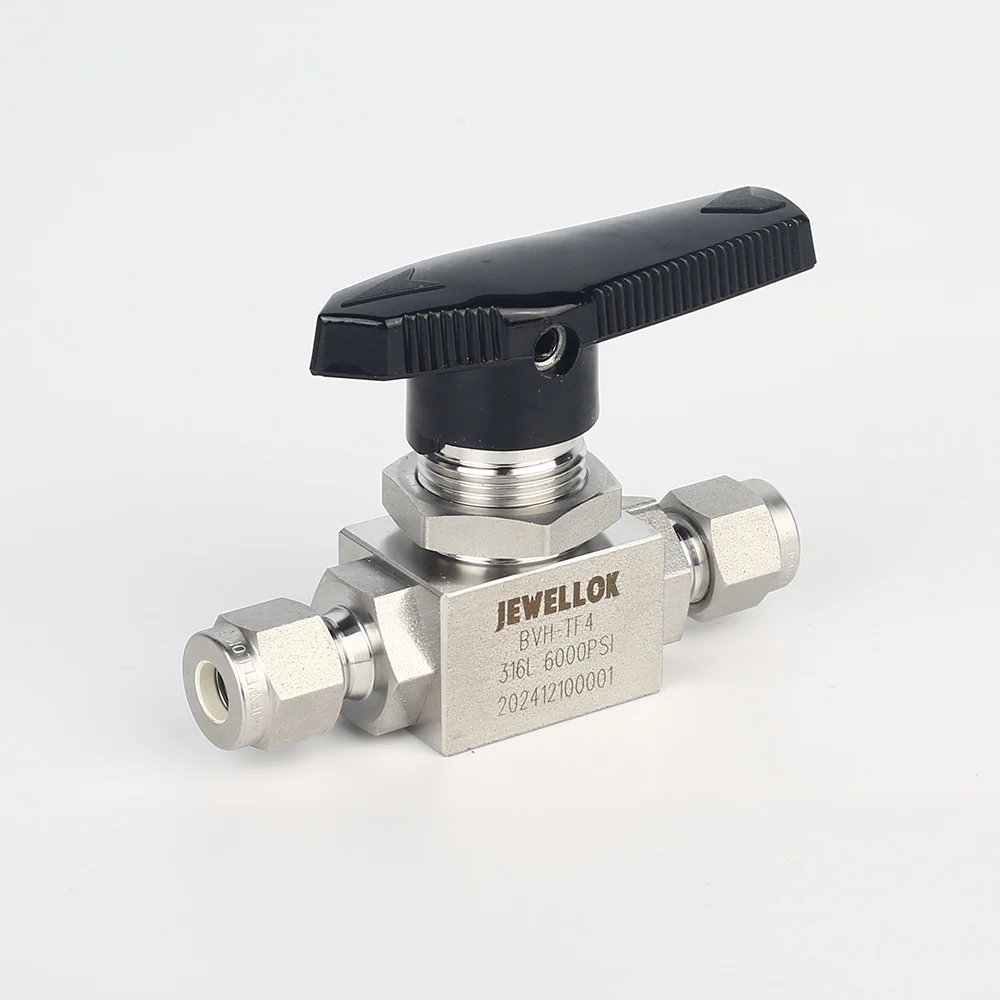
Instrument Valves & Filters
Ball, needle and check valves and in-line gas filters.
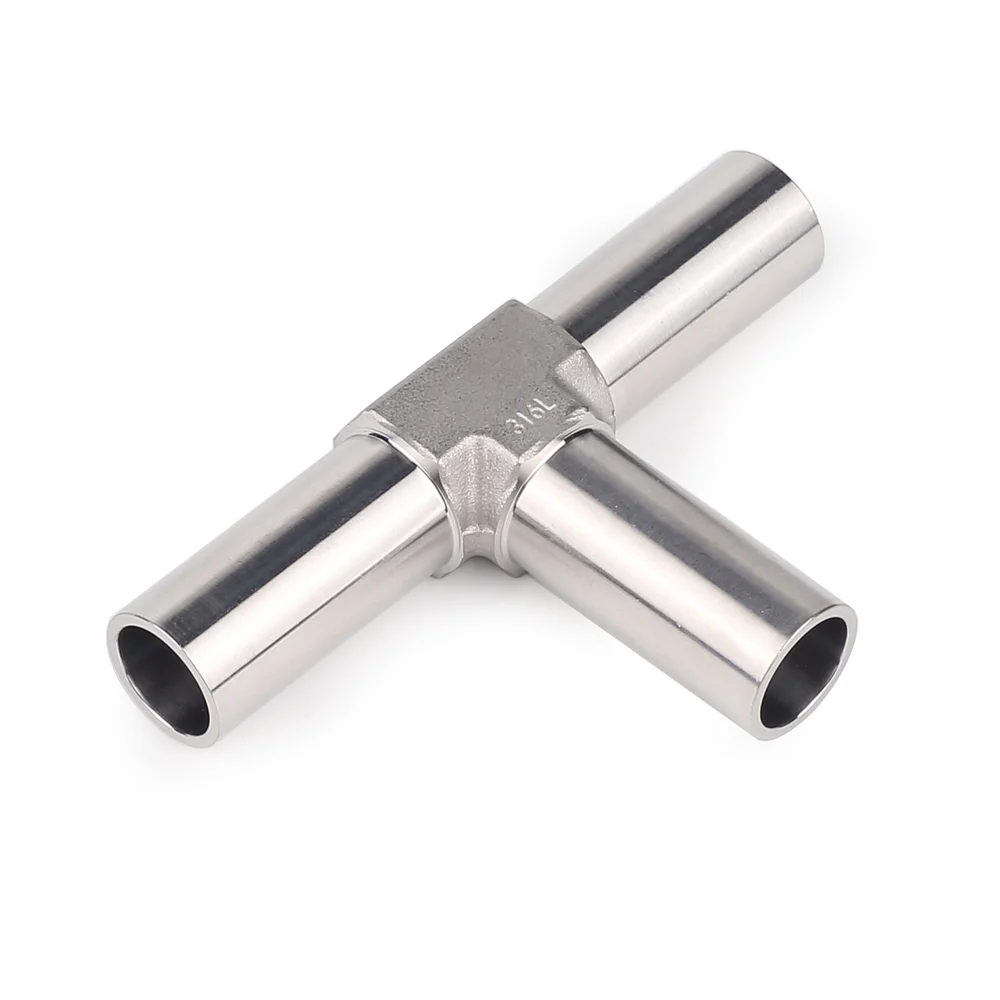
High Purity Tubing
316L butt weld fittings and VIM-VAR pipeline systems.
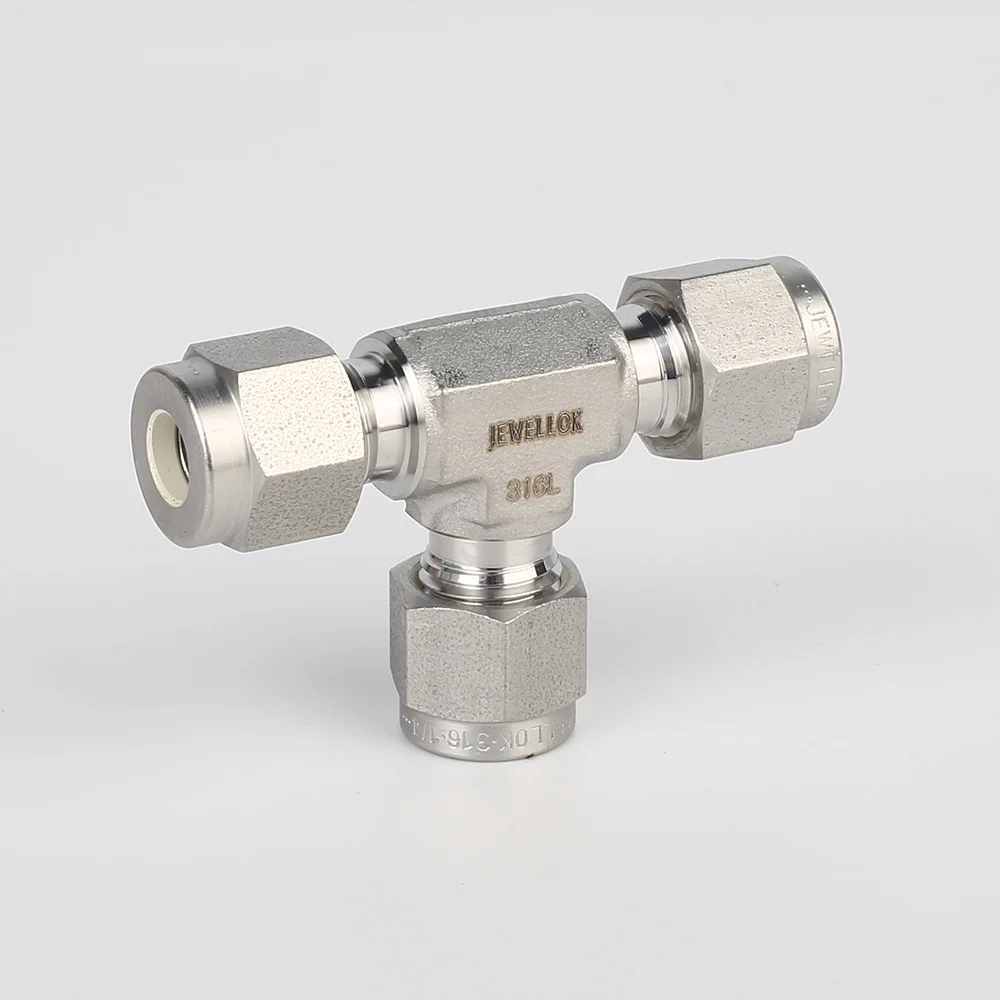
Compression Tube Fittings
Double ferrule fittings, 2-50 mm and 1/16-2 in., and face seal glands.
Featured product series
Core equipment for specialty gas delivery
Five product lines form the backbone of most LGS gas systems. Each can be ordered on its own or as part of a complete project.
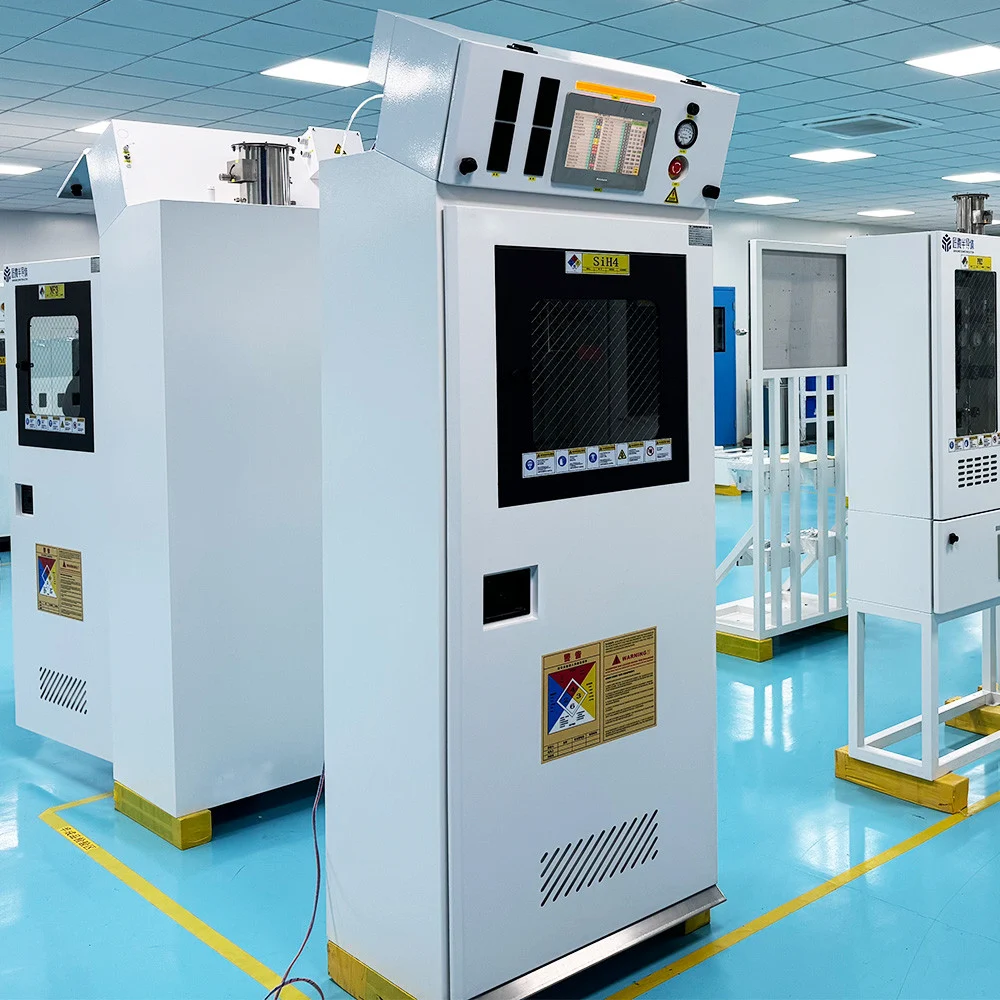
Gas cabinet series
Exhausted, explosion-proof gas cabinets enclose cylinders and their gas panels so that any leak is captured. Our cabinets serve semiconductors, integrated circuits, flat panel displays, optoelectronics, new energy, optical fibre, fine chemicals, universities and testing laboratories.
- JW-300-GC fully automatic and JW-200-GC semi-automatic GC gas cabinets with PLC purge sequences and 10 in. touch screen
- BSGS cabinets and the three-cylinder BSGS for high-flow specialty gas
- VMB cabinets with 4, 6 or 8 sticks, plus gas distribution, VDB and VDP cabinets built to project specification
- Automatic and manual gas racks for inert gases
Typical gases: SiH4, NF3, NH3, N2O, HCl, H2 and inert purge gases. View gas cabinets →
Ultra high purity diaphragm valves
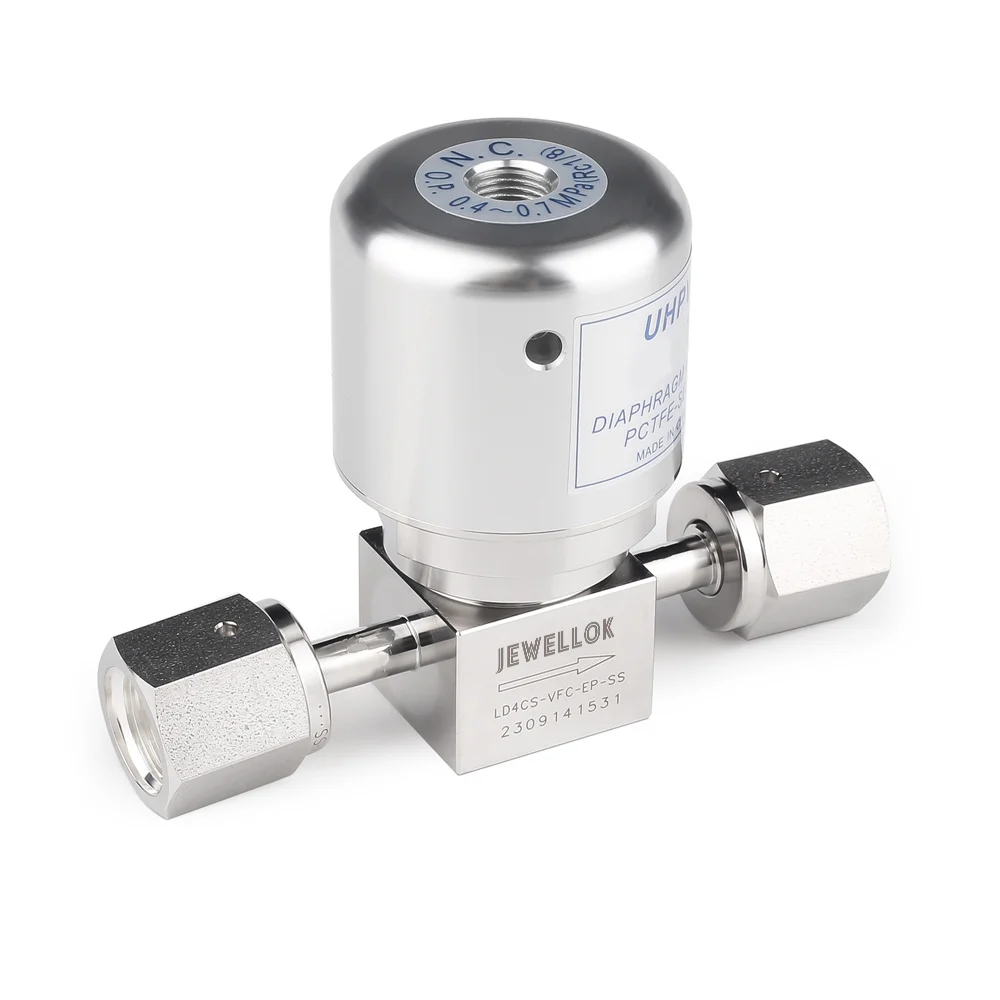
Packless metal diaphragm valves keep the gas away from the stem, giving excellent leak integrity, long cycle life and low particle generation. Bodies are 316L or 316L VAR with Ra 5 µin electropolished surfaces and Hastelloy C-22 or cobalt alloy diaphragms.
- HD manual and HD pneumatic valves for the high pressure side of cylinders and gas cabinets
- LD manual and LD pneumatic valves to 250 psig, 1/4 to 3/4 in., Cv up to 1.7
- Normally closed or normally open actuators; straight, angle, bypass and multi-way bodies
- VCJ face seal, tube fitting and butt weld ends; PCTFE, PFA or Vespel seats
Pressure regulators and gauges
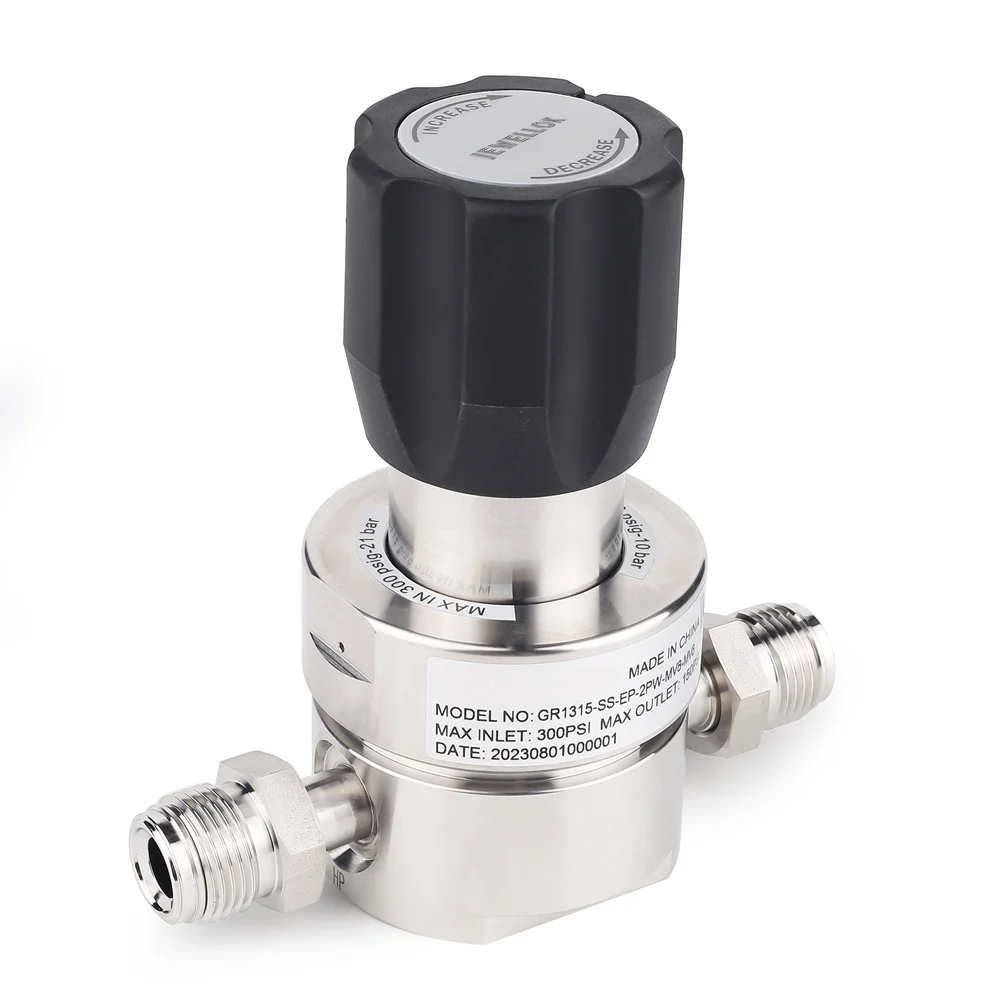
A pressure regulator holds the outlet pressure at the set value while supply pressure and flow change. Our regulators are assembled and packed under clean conditions for high purity and semiconductor service.
- JR1000 single stage and DPR1 dual stage UHP cylinder regulators
- JR1300 high flow line regulator, Cv 1.1, up to 1000 SLPM
- JSR line and panel regulators and gas sticks, and JSP pressure control panels
- JR and JG pressure gauges with axial or radial connection
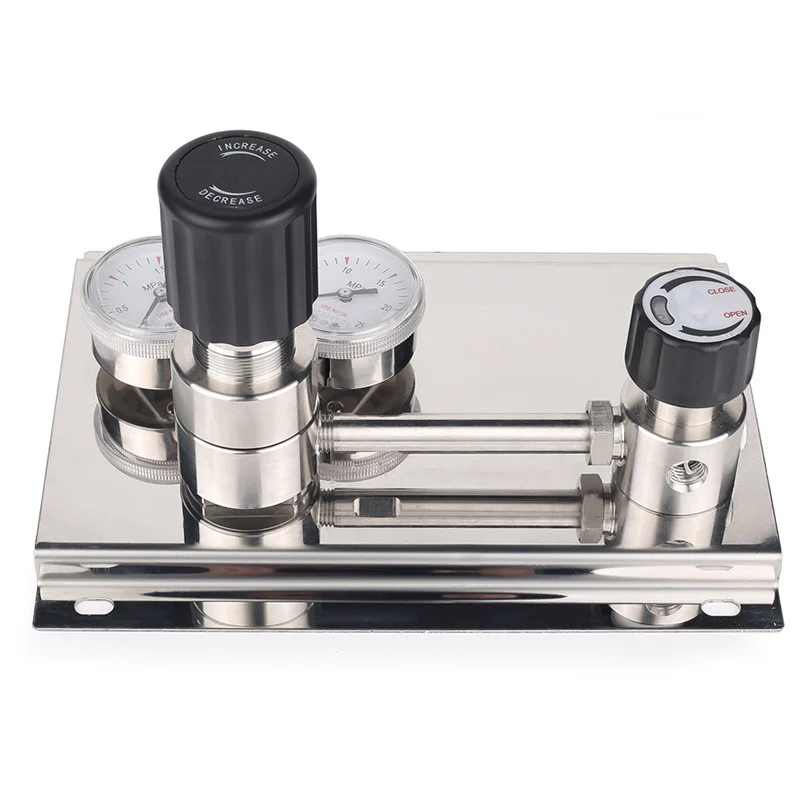
Gas changeover manifolds
Semi-automatic and fully automatic stainless steel changeover manifolds switch from an empty cylinder or bank to a full one without interrupting the supply. They are used for high purity oxygen, nitrogen, helium, argon and specialty gases.
- JW-500 fully automatic switchover with two-stage regulation
- JW-300 and JW-400 semi-automatic manifolds and regulator panels
- Manual manifolds and multi-cylinder banks up to 4 x 4
- Inlet pressure to 3000 psig; 316L bodies and diaphragms
Tube fittings and high purity tubing
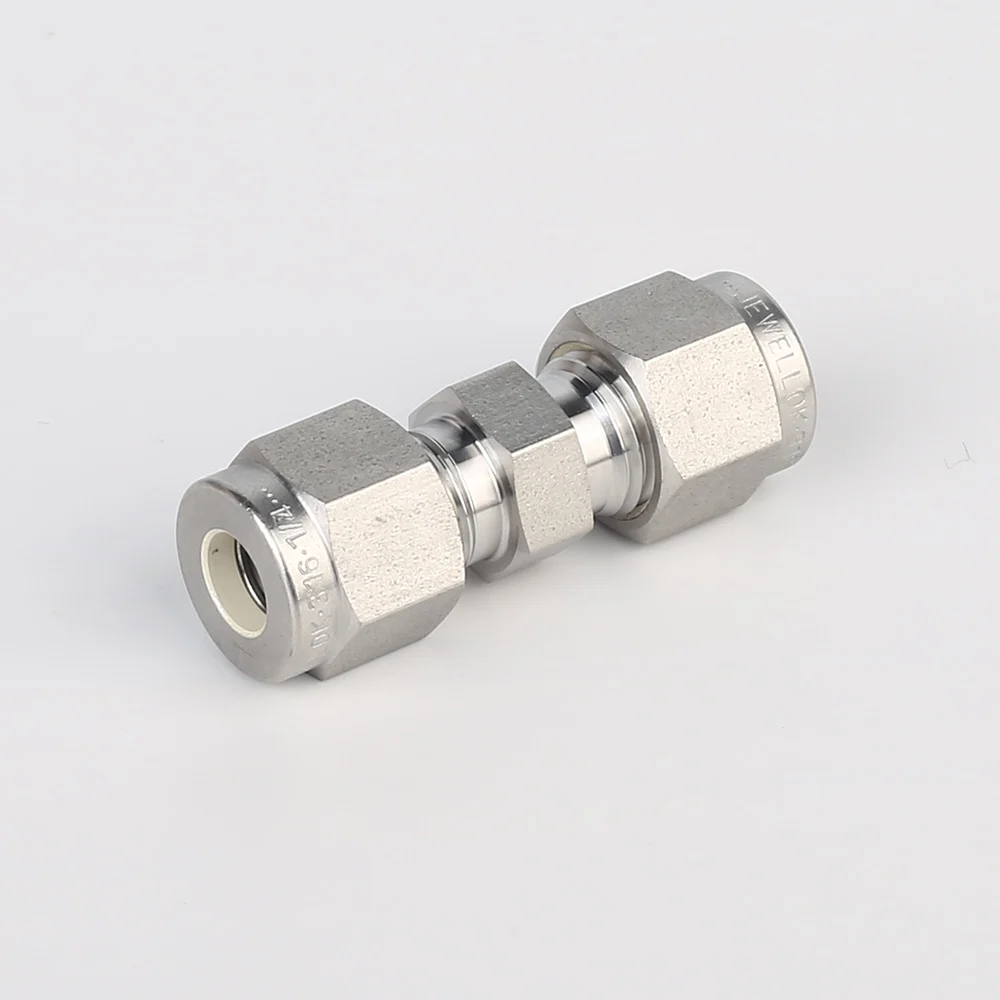
Tube fittings seal and grip the tubing; their geometry gives a leak-tight joint that can be remade for maintenance. For UHP lines, orbital-welded fittings and face seal glands keep the internal surface smooth and crevice-free.
- 23 series of double ferrule compression fittings in metric and inch sizes
- 316L butt weld elbows, tees, crosses and reducers with 10 µin Ra internal finish
- SG and LG glands for metal gasket face seals
- 316L VIM-VAR pipeline systems for ppb-level purity
Laboratory bulk specialty gas system
What a laboratory bulk specialty gas system does
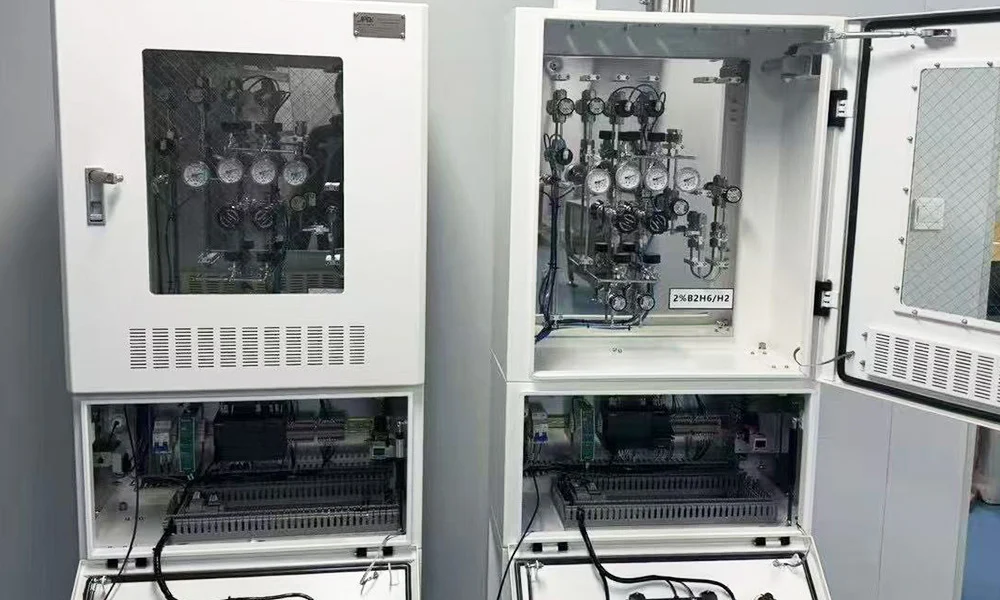
A laboratory bulk specialty gas system stores specialty and high purity gases in one central, controlled location and delivers them at a stable pressure and purity to every instrument, process tool and bench that needs them. Instead of a cylinder beside each instrument, the gas comes from gas cabinets, cylinder banks or bulk sources through changeover manifolds, regulators, valves and clean stainless steel tubing.
LGS designs, manufactures and installs these systems for semiconductor fabs, analytical and QC laboratories, pharmaceutical and biotech sites and research institutes; recent examples include a micro-nano fabrication platform, a university MOCVD laboratory and a metrology institute. We supply the complete gas path, from the source enclosure to the point of use, so that every component is matched in pressure rating, purity class and connection type.
What the system includes
- Source and safety: bulk specialty gas systems (BSGS), gas cabinets and racks with purge, leak detection and automatic shut-off.
- Continuous supply: changeover manifolds that switch from empty to full cylinders without interrupting flow.
- Pressure control: UHP regulators, line regulators and pressure control panels.
- Distribution: orbital-welded 316L tubing, valve manifold boxes and diaphragm valves.
- Point of use: gas sticks, point-of-use regulators and gauges at each bench or tool.
When a bulk system makes sense
A central system pays off when several instruments use the same gas, when hazardous gases must be kept out of the laboratory, when cylinder changes interrupt work, or when purity must be documented. It also frees laboratory space, reduces cylinder handling and makes gas use easier to monitor. For single instruments with low consumption, a local cylinder with a good regulator may still be the right answer; we will tell you which approach fits.
How different gases are supplied
A laboratory bulk specialty gas system rarely handles one gas. Each gas is supplied according to its hazard class and consumption, and the system combines these sources behind a common design for distribution, monitoring and documentation.
| Gas group | Examples | Typical source | Distribution |
|---|---|---|---|
| Inert and carrier gases | Nitrogen, argon, helium | Cylinder banks with changeover manifolds, liquid or generator supply | 316L tubing, compression or welded joints |
| Flammable gases | Hydrogen, methane, acetylene | Ventilated manifolds or gas cabinets with detection | Stainless lines, excess flow protection, shut-off valves |
| Toxic and corrosive gases | Ammonia, HCl, chlorine, NF3 | Exhausted automatic gas cabinets | Welded UHP lines, VMBs, diaphragm valves |
| High-flow specialty gases | Process gases for several tools | Bulk specialty gas systems from bundles or tube trailers | UHP headers, VMBs to each tool |
| Calibration and mixture gases | Standard gases for GC and analysers | Single-cylinder pressure control panels near the instrument | Short stainless lines, point-of-use regulators |
Lab gas systems
Laboratory gas systems from LGS
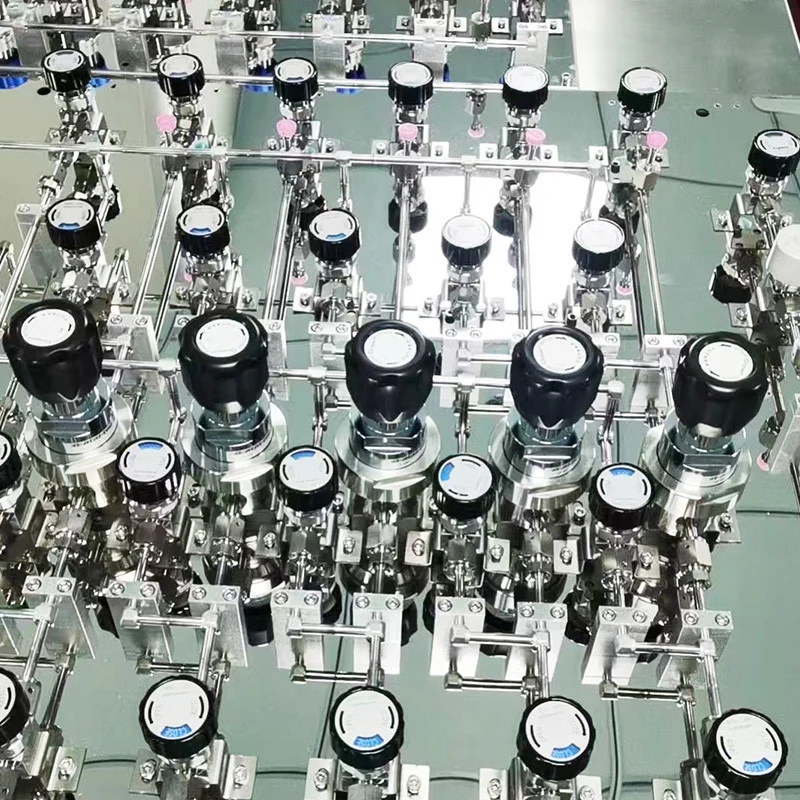
LGS delivers five types of laboratory gas systems as complete projects: we design the layout, build the gas cabinets, manifolds and panels in our own factory, then install, test and commission them on site. Most laboratories combine several of them.
Central Laboratory Gas Supply
We set up your gas room: cylinder banks or bulk sources, automatic changeover manifolds and alarms, supplying the whole building from one place.
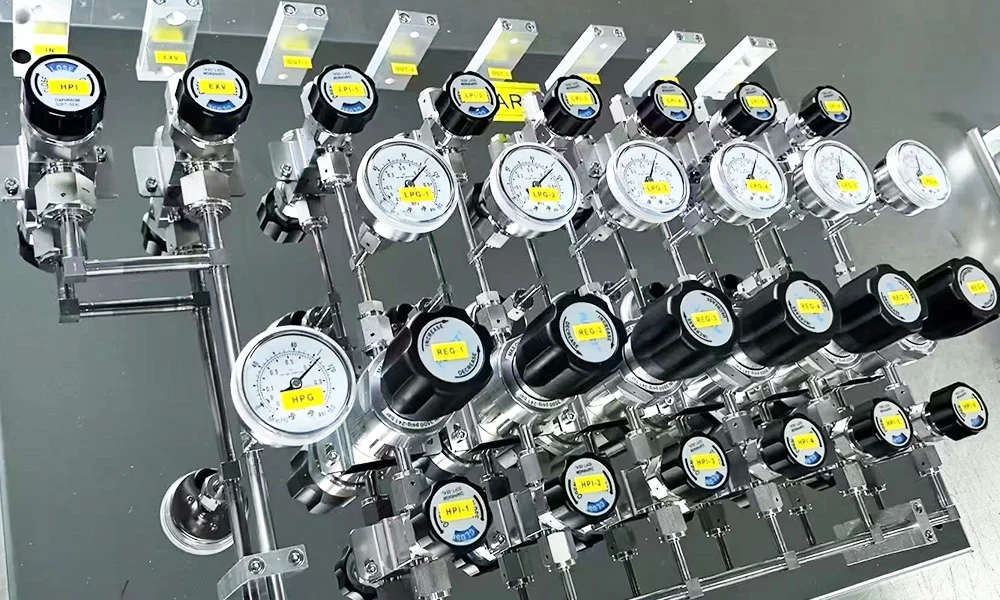
Gas Distribution Systems
We route each gas from the gas room to every laboratory with headers, branch valves and valve manifold boxes, sized for today’s instruments and future ones.
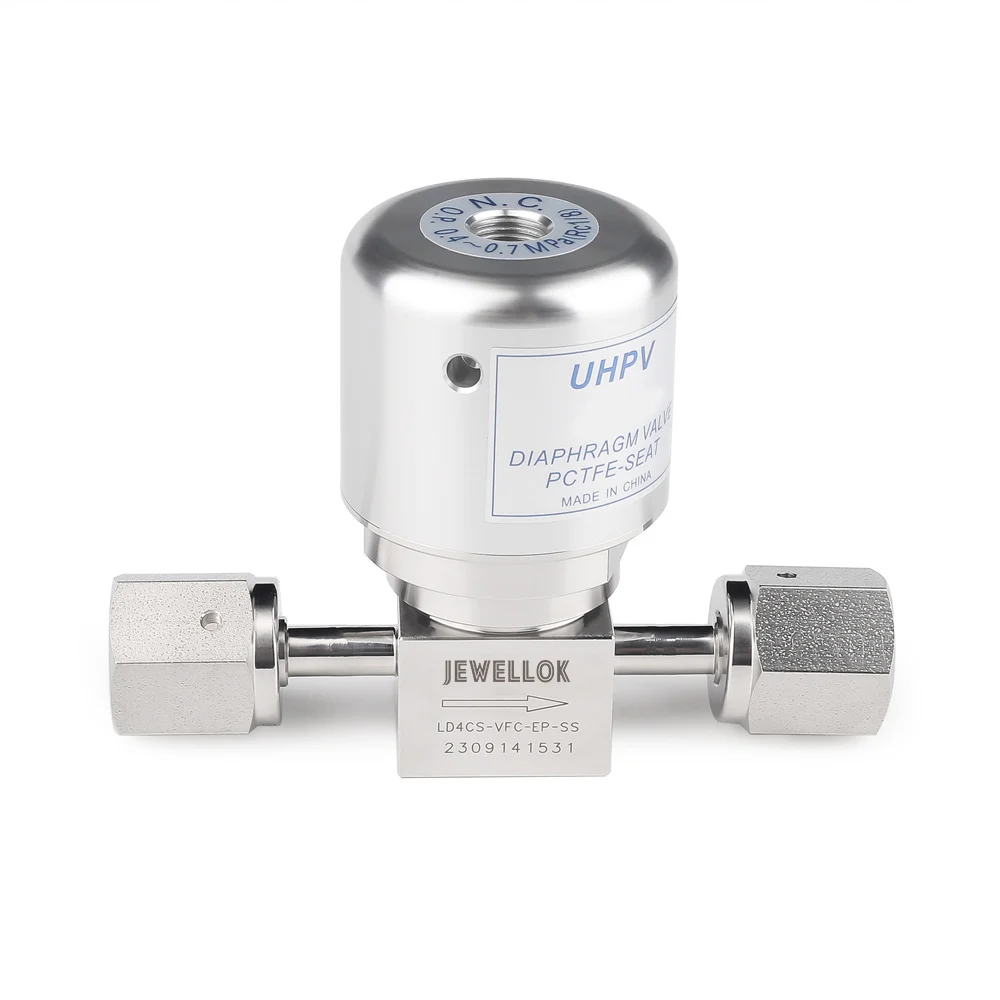
High Purity / UHP Gas Systems
We build UHP lines with electropolished components, diaphragm valves and orbital welds for semiconductor process gases and trace analysis.
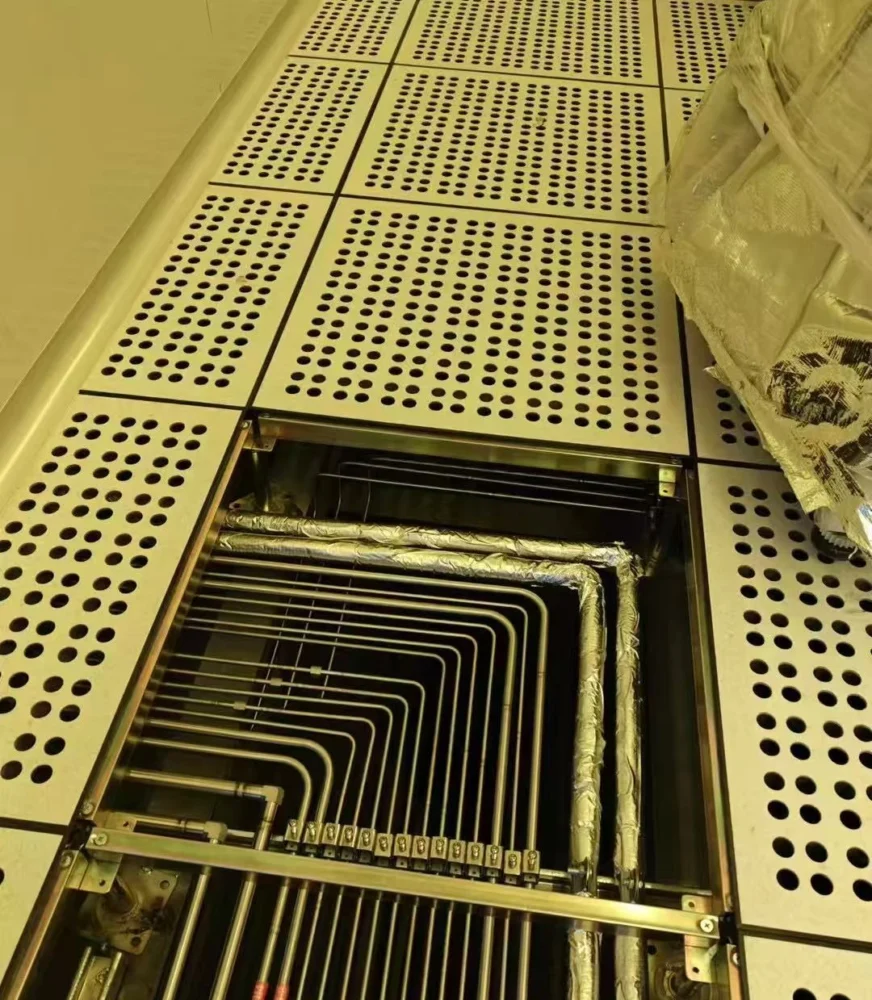
Laboratory Gas Pipelines
We install 316L and VIM-VAR tubing with orbital welding, purging and helium leak testing, and hand over the weld and test records.
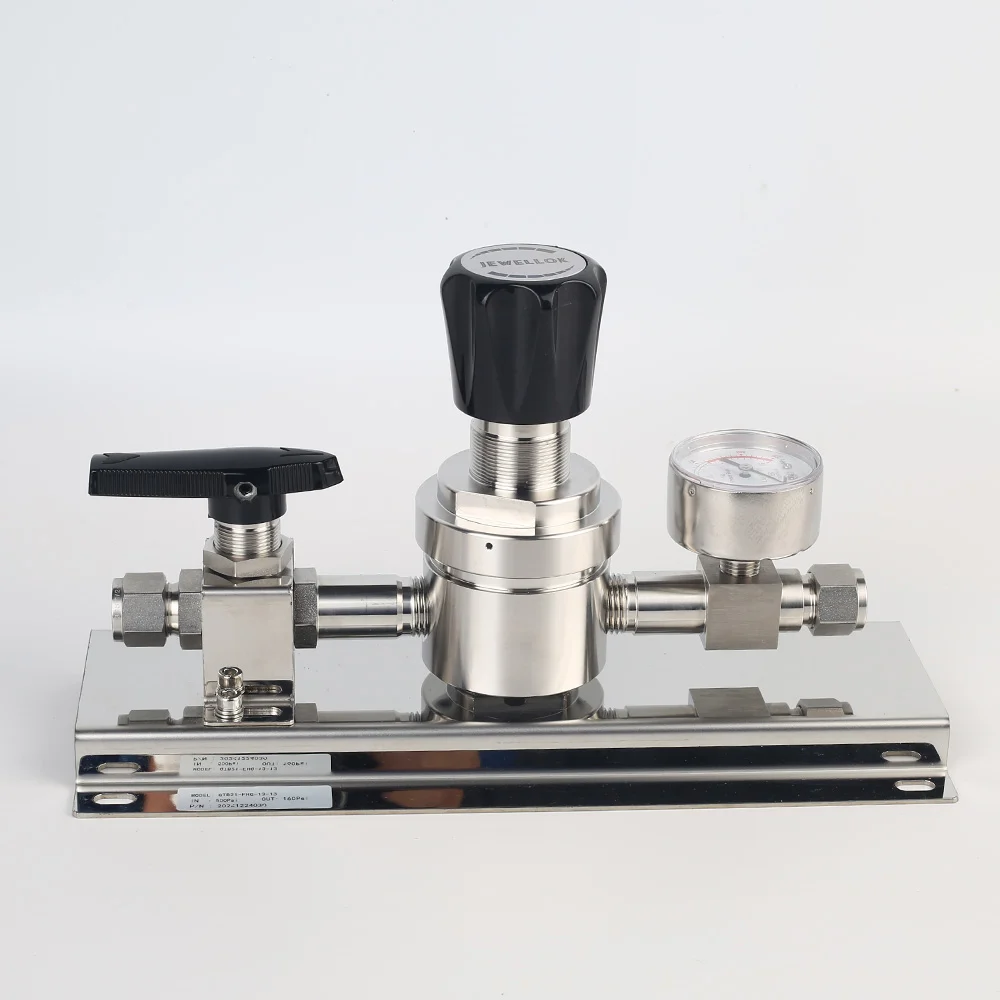
Modular & Point-of-Use Systems
We fit gas sticks, wall panels and bench outlets that set the final pressure and flow at each instrument.
Applications
Specialty gas systems by industry
The gases, purity classes and safety requirements differ from one industry to the next. For each industry we recommend typical gases and equipment combinations based on projects we have delivered, and we compare all seven industries in our applications overview.
How we work
From gas list to commissioned system
One team takes responsibility for the whole project, so that design intent, factory assembly and site installation match. Together these stages form our turnkey laboratory gas supply solution.
- 01
Design
Gas audit, consumption and purity requirements, source strategy, gas room and route layout, line sizing and equipment selection. Design
- 02
Production
Gas cabinets, manifolds, panels and point-of-use modules assembled, cleaned and pressure and leak tested in our factory. Production
- 03
Installation
Tubing installed and orbitally welded, equipment connected, then the system is pressure tested, helium leak tested, purged and commissioned. Installation
- 04
Documentation
Drawings, weld records, test reports and material certificates handed over with the system, ready for audits and future changes. Documentation
You can also start from any step: we supply components to your design, build panels to your drawings or install equipment you have already purchased. Planning a project? Our lab gas system design guide walks through the main decisions.
Quality
Clean, tested and documented
Gas purity is lost at the weakest joint. We control what the gas touches, how parts are cleaned and assembled, and how every assembly is tested before it leaves the factory.
- Materials: 316L stainless steel wetted parts as standard, 316L VAR or VIM-VAR for UHP lines, Hastelloy and cobalt alloy diaphragms where gases are corrosive.
- Surface finish: electropolished internal surfaces down to Ra 5 µin on UHP regulators and valves.
- Clean assembly: components cleaned to remove oil, grease and particles, assembled in a clean area and capped and bagged for delivery.
- Testing: pressure tests and helium leak tests on regulators, valves, panels and installed systems.
- Traceability: material certificates, weld records and test reports for every project.
Projects
Gas systems in operation
From cleanroom gas cabinet rooms to pharmaceutical production halls, our case studies show how we combine the same building blocks for very different sites.
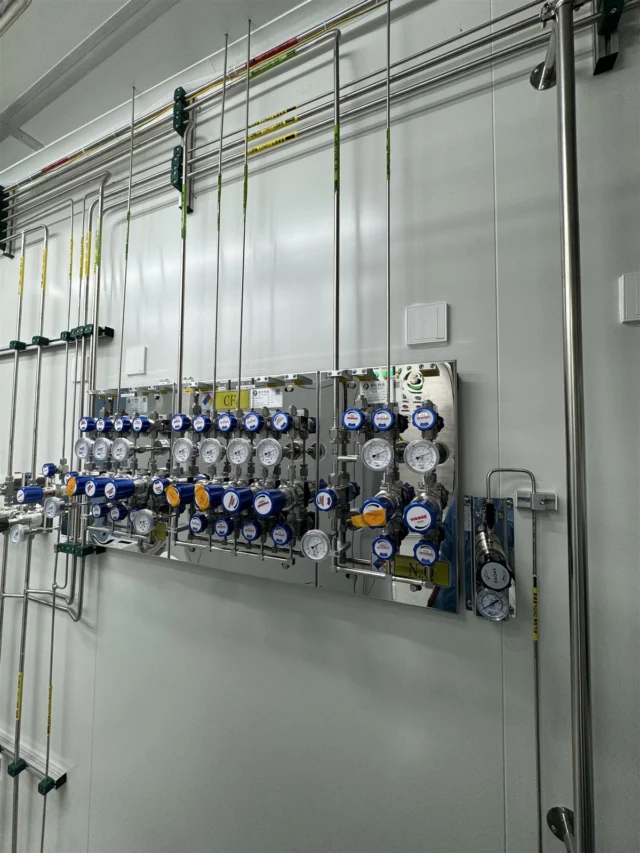
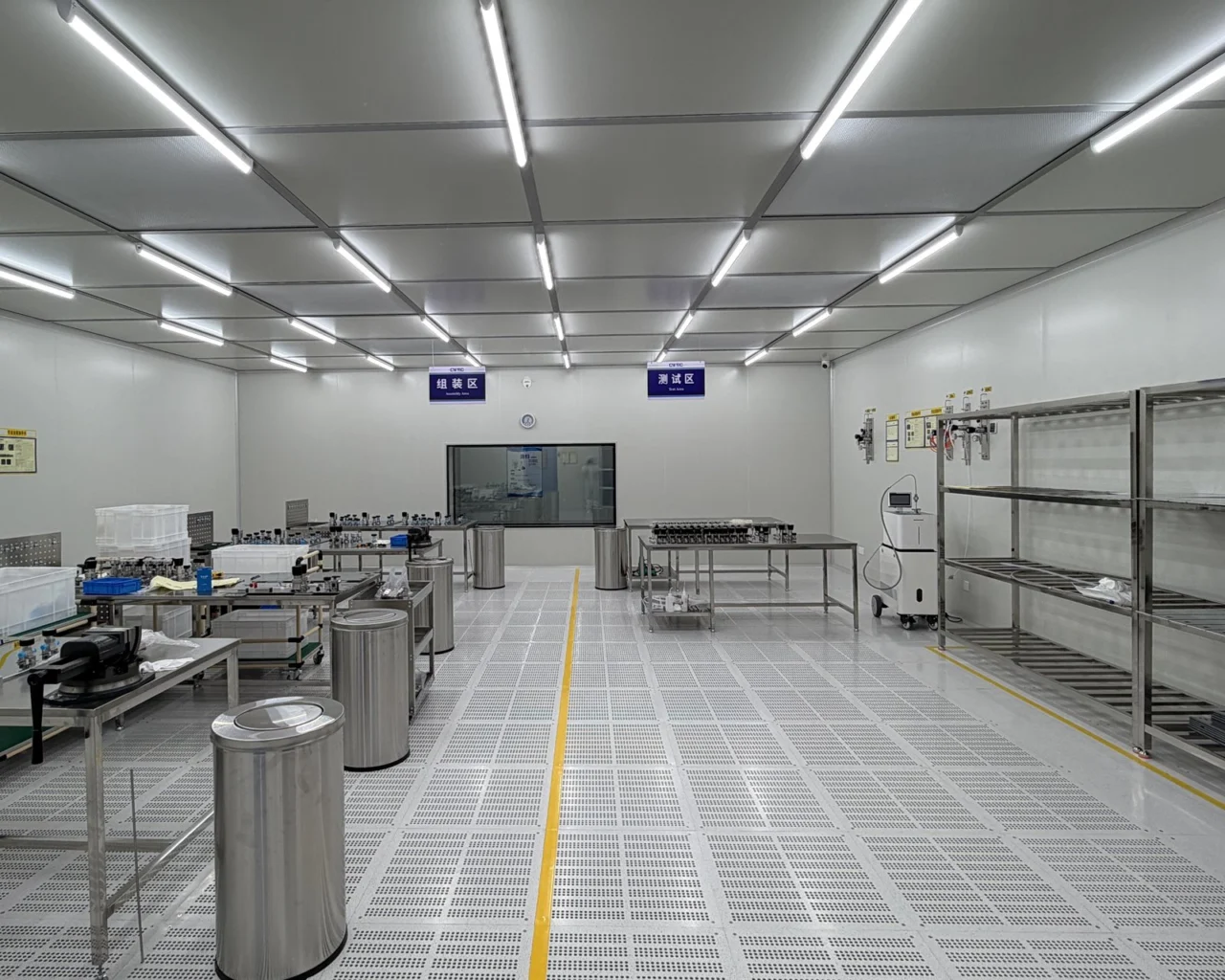
Micro-nano fabrication specialty gas system
Gas cabinet room, multi-gas valve panels and cleanroom drops for a shared fabrication platform.
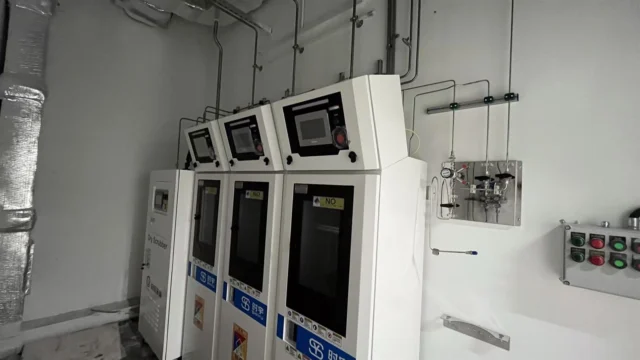
Metrology institute specialty gas system
Specialty gas cabinets, a gas room panel and labelled multi-line distribution to measurement laboratories.
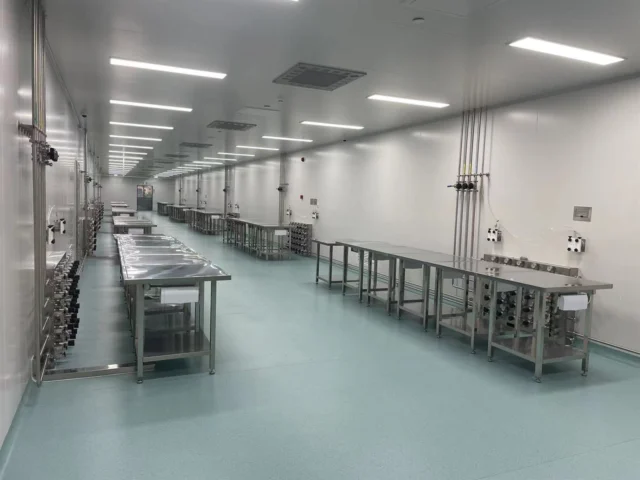
Pharmaceutical workshop gas piping
Concealed stainless piping and wall outlet columns at every bench of a production hall.
Resources
Plan your gas system
FAQ
Questions about laboratory bulk specialty gas systems
What is a laboratory bulk specialty gas system?
It is a central gas supply that stores specialty and high purity gases in gas cabinets, cylinder banks or bulk sources and delivers them through manifolds, regulators, valves and stainless steel tubing to the instruments and tools that use them, at controlled pressure and purity.
What equipment does a laboratory gas system need?
Typically a gas source (gas cabinet, rack or bulk system), a changeover manifold or pressure control panel, regulators, distribution tubing and fittings, isolation valves, gauges and point-of-use regulators. Hazardous gases add exhaust, gas detection, purge and automatic shut-off.
When do I need a gas cabinet?
Toxic, pyrophoric, corrosive and most flammable gases must be supplied from exhausted gas cabinets that capture leaks. Inert gases such as nitrogen, argon and helium can usually be supplied from open racks or manifolds.
What is the difference between a BSGS and a gas cabinet?
A gas cabinet supplies one to three cylinders to a tool or a valve manifold box. A bulk specialty gas system (BSGS) supplies high flows from large cylinders, bundles or tube trailers through a pressure control and filtration skid and usually feeds several tools.
Can I buy components only?
Yes. All regulators, valves, fittings, manifolds and cabinets are available as individual products for your own design, as well as part of a complete system.
Does LGS install and test the system?
Yes. LGS installs tubing and equipment, performs orbital welding, pressure and helium leak tests, purges and commissions the system and hands over the documentation.
Discuss your laboratory gas system
Send us your gas list, pressures, flows and instruments. Our engineers will recommend the system layout and equipment for your laboratory or cleanroom.